
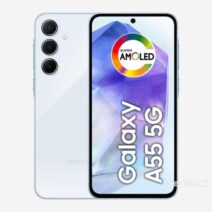
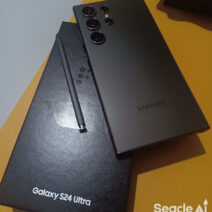
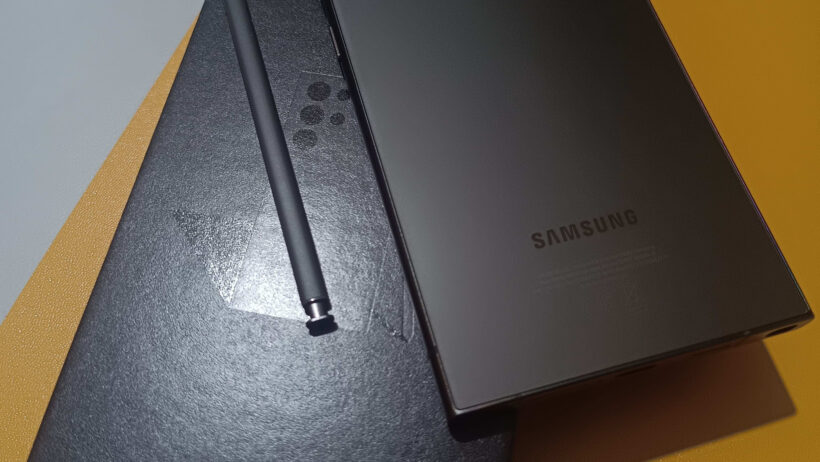

Quick statement: If you want a dependable daily phone that blends a bright screen, smooth performance, and solid software updates without endless hype, the Samsung Galaxy S24 is designed for that role. Early in the overview it is important to note that every phone has limits: this device may not be ideal for users who expect flagship-level cameras, sustained heavy gaming without heating, or maximum battery endurance.
This article gives a practical, region-aware summary of the launch and availability, plain-language explanations of the hardware, a direct comparison with a main rival, and estimated gaming performance for popular mobile titles. I use data current through early 2026 and provide reasonable estimates where manufacturers have not published final numbers.
Table of Contents
- Launch and availability
- Samsung Galaxy S24: Key specifications
- Practical overview of each specification
- Availability and expected price
- Samsung Galaxy S24 vs Google Pixel 8
- Gaming performance estimates
- Short alternatives and drawbacks
- Frequently Asked Questions
- Conclusion
Launch and availability
The Samsung Galaxy S24 launched in early 2024 and has been through multiple sales cycles since. Samsung typically staggers supply and regional colors or memory trims, so availability varies by market and retailer.
Availability snapshot by region:
1) India: Widely available through Samsung stores, major retailers, and online marketplaces. Local pricing has seen seasonal discounts since launch.
2) United States: Sold unlocked through carriers and stores, with frequent carrier trade-in promotions.
3) Europe: Widely available in most EU countries, with carrier bundles common in the UK, Germany, France, and Spain.
4) Other major regions: Available in Australia, South Korea, and much of Southeast Asia; limited or delayed availability in some emerging markets.
Early and realistic limitation note: If you expect top-tier camera hardware that outperforms every competitor, sustained gaming without case warmth, or multi-day battery life under heavy use, this model may fall short compared with some more specialized alternatives.
Samsung Galaxy S24: Key specifications
Below I break down the core specs in straightforward terms and explain what they mean for daily use.
1. Display
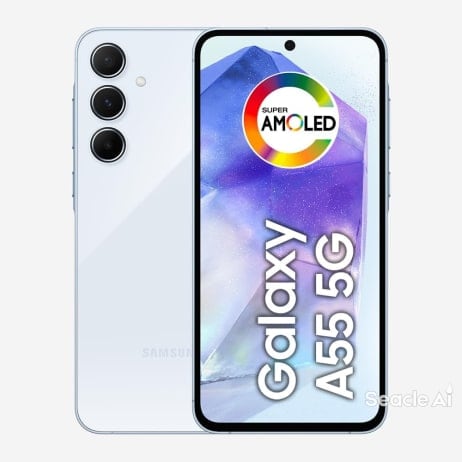
The screen is a bright AMOLED panel, typically 6.2 inches for the base model, with HDR support and adaptive refresh rates that go up to 120 Hz. That means scrolling, animations, and supported games feel smooth, and the panel gets bright enough for outdoor use on sunny days. Expect excellent color and contrast for video and photos, while the smaller physical size helps one-handed use.
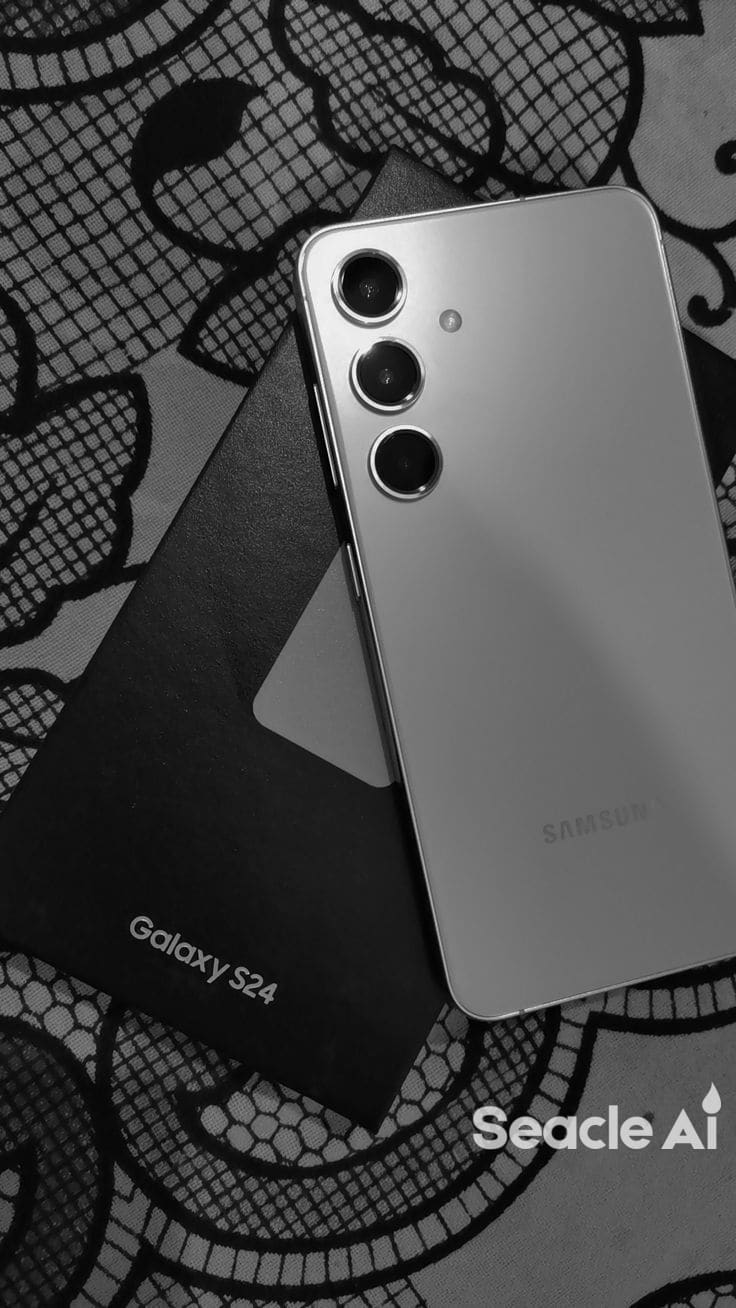
2. Processor
The phone uses a recent generation Snapdragon or Samsung Exynos chip depending on the market. Practically, that translates to responsive apps, quick app switching, and capable AI features for routine tasks. The processor is energy-efficient but under extended heavy load—long gaming sessions or intensive computational tasks—thermal limits appear and performance will pull back to protect hardware. That means short bursts of top performance, then a throttle down if the workload continues.
3. RAM and storage
Common configurations include 8 GB or 12 GB of RAM and storage tiers from 128 GB up to 512 GB. For most users, 8 GB RAM and 256 GB storage is a sensible balance. If you keep many large games or raw photo/video files, choose higher storage. There is no memory card expansion on standard models, so plan storage size at purchase.
4. Battery and charging
Battery capacity sits in the mid- to high-range for the class. Real-world battery life depends on screen brightness, refresh rate usage, and app habits. With typical mixed use—email, messages, social media, streaming video—the phone reliably lasts a full day for most users. Heavy gaming or continuous video recording will cut that down to several hours.
Charging: wired fast charging is supported at speeds competitive with flagship peers; expect around 30 to 45 minutes to reach 50 to 70 percent with the recommended charger. Wireless charging and reverse wireless charging are available as well.
5. Camera features
The camera array delivers solid daytime photos with accurate colors and good dynamic range. Night mode improves low-light shots but will not always match the best in class for extreme low-light detail. Video is stable and usable, with cinematic modes available for controlled shoots. If photography is your top priority and you demand class-leading telephoto or low-light performance, consider specialized camera-focused models instead.
6. Operating system
Ships with the latest Android version and Samsung’s One UI on top. Samsung has committed to extended OS and security updates, making this model a sensible multi-year buy. Expect useful software features aimed at productivity and integration with the Samsung ecosystem.
Practical overview of each specification
Short practical takeaways:
1) Display: Smooth 120 Hz experience with strong everyday visibility.
2) Processor: Fast for daily tasks; will throttle under prolonged heavy load.
3) RAM/storage: 8 GB/256 GB is the practical sweet spot for most.
4) Battery: Reliable for one full day under average use; not the longest-lasting on the market.
5) Camera: Great for social and everyday photography; not the absolute leader in telephoto or very low-light detail.
6) Software: Long-term support and useful ecosystem features.
Availability and expected price
The model is currently available across major markets. Pricing varies by trim, region, taxes, and carrier deals. Typical launch and current price guidance:
- India: Launch prices started competitive relative to local taxes; street prices fluctuate with promotions and exchange rates. Expect strong retail availability.
- USA: Available unlocked and through carriers; promotional trade-in credits occasionally lower the effective price by a few hundred dollars with commitment plans.
- Europe: Price generally aligned with other flagship phones after VAT. Carrier bundles are common.
- Other regions: Available in South Korea, Australia, and large Asian markets; in smaller markets launch windows may be delayed.
For exact current street price, check local retailer listings. Watch for seasonal offers; Samsung has consistently supported discounts and trade-in programs that materially reduce outlay.
Samsung Galaxy S24 vs Google Pixel 8
Below is a pragmatic comparison to help decide which phone makes more sense for your needs and budget. I focus on how each device affects daily life, not marketing lines.
1. Performance and daily usage
Both phones are quick for daily tasks. The Samsung Galaxy S24 is tuned for smoothness and multitasking with Samsung’s software enhancements. The Pixel 8 aims for tight integration with Google services and offers clean Android with AI features.
For raw speed, benchmarks may favor one chip variant in specific tests, but in real life both handle browsing, messaging, video calls, and productivity apps without frustration. If you prioritize software features like DeX-style desktop modes or deeper ecosystem services, the Samsung Galaxy S24 has edge; if you want the most direct Android experience with Google’s computational photography and on-device AI, the Pixel 8 has appeal.
2. Display quality and refresh rate
The S24 has a bright AMOLED screen with adaptive 120 Hz. The Pixel 8 also offers a high-quality OLED and smooth refresh. In practice, both look excellent; the Samsung panel often has slightly higher peak brightness and more saturated default colors. If you frequently use your phone outdoors in bright sunlight, the S24’s display brightness can be a practical advantage.
3. Battery life and charging speed
Battery life differences are situation-dependent. The S24 normally provides a full day for moderate users; the Pixel 8 can match or slightly outlast it in some tests due to software optimizations. Charging speeds are comparable for daily top-ups; Samsung’s wired fast charging is competitive, and both support wireless charging.
4. Camera performance
Pixel phones historically prioritize computational photography for low-light shots and portrait accuracy. The Samsung Galaxy S24 produces more saturated, punchy images by default and offers a broader toolset for manual control and video modes. If still-photo low-light detail is the top priority, the Pixel 8 may have an edge; for versatility and video features, the S24 is strong.
5. Price difference and value for money
Street prices change frequently, but the S24 often appears with more frequent retailer promotions and trade-in deals. If a slightly lower outlay with similar day-to-day performance matters, look closely at current S24 offers. The Pixel 8 offers strong value when camera performance and software updates are your priority.
6. Key drawbacks and alternatives
For the Samsung Galaxy S24, recurring drawbacks are thermals under long gaming loads, camera limits in extreme low light relative to the very best camera phones, and battery runtimes that are good but not class-leading. Alternatives to consider depending on priorities: larger battery models for endurance, a camera-focused model for better low-light photography, or a gaming-optimized phone if sustained peak FPS is the goal.
Gaming performance estimates
Below are realistic expectations for popular mobile titles. These figures assume a modern high-performance trim of the Samsung Galaxy S24, current game builds as of early 2026, and medium-to-high graphics settings where applicable.
1. BGMI (Battlegrounds Mobile India)
Expected average FPS: 50 to 60 FPS on high settings with 90–120 Hz panel smoothing depending on version and settings.
Thermal behavior: Short sessions are smooth. After 20–40 minutes of continuous play, expect some thermal rise and CPU/GPU frequency reduction, which lowers sustained FPS modestly.
High refresh support: Supports 120 Hz panel; game frame pacing depends on in-game optimization.
2. PUBG Mobile
Expected average FPS: 50 to 60 FPS on HDR/HD settings, 60+ achievable on balanced settings.
Thermal behavior: Similar to BGMI — throttling can occur during prolonged battles or long sessions that load GPU heavily.
High refresh support: Yes, with adaptive frame rates functioning well; the phone delivers smoother touch input at higher refresh settings while managing heat.
3. Valorant Mobile
Expected average FPS: 60 FPS is possible on medium to high settings depending on region compiler and game updates; competitive settings often aim for 60 for consistent latency.
Thermal behavior: Valorant Mobile is optimized for sustained play, so while initial spike performance is strong, temperature control keeps long matches at steady but slightly reduced frequencies.
High refresh support: The game targets stable FPS more than ultra-high frame rates; expect a consistent experience with good touch response.
4. Call of Duty Mobile
Expected average FPS: 50 to 60 FPS on high settings with optimized maps and settings. Consistency depends on background apps and network conditions.
Thermal behavior: This title taxes the GPU; extended play causes warming and a modest drop in sustained FPS after prolonged sessions.
High refresh support: The phone supports high refresh rates and provides good input responsiveness. For competitive play, reduce some visual settings to preserve consistent frame delivery.
Practical gaming advice: Use a performance mode only when you need burst performance, lower refresh or graphic details for marathon sessions, and allow short breaks to avoid steady thermal throttling. A thin case will help heat transfer; a heavy case can trap heat and accelerate throttling.
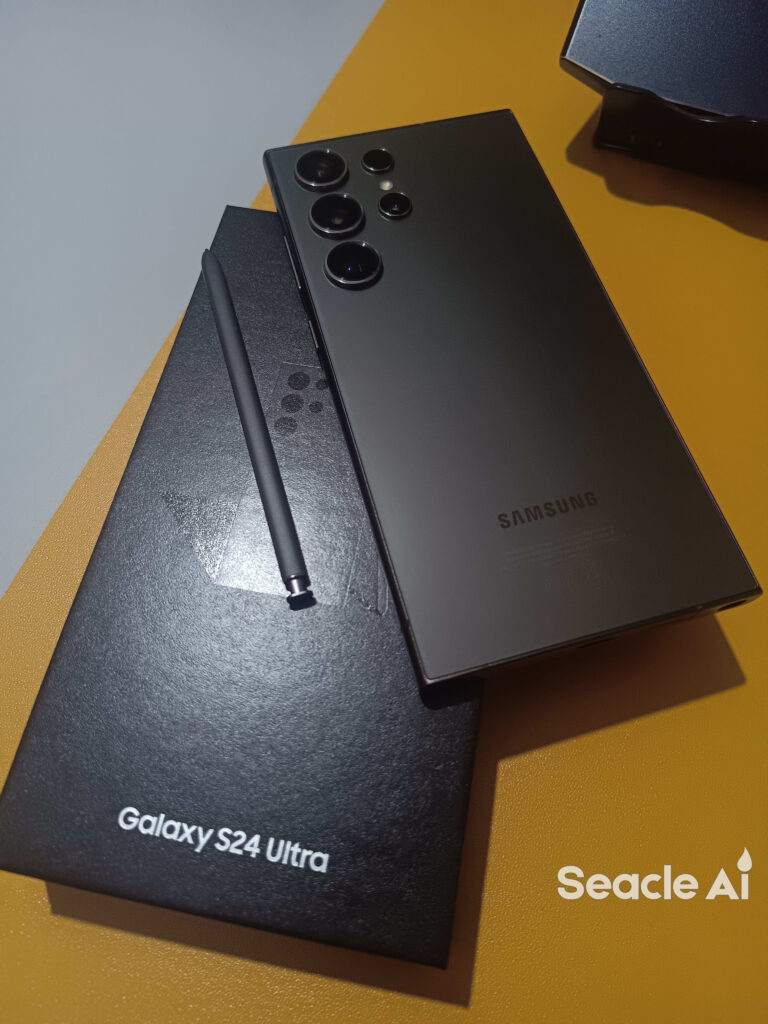
Short alternatives and drawbacks
If you want longer battery life, consider phones with larger batteries and lower refresh screens. If you prioritize best-in-class zoom or low-light photos, consider camera-focused devices. If you demand multihour continuous gaming at the highest frame rates without compromise, a gaming-focused model with advanced cooling may be a better fit.
Frequently Asked Questions
Does the phone support microSD expansion?
No. The storage is fixed at purchase. Choose a storage tier that matches your long-term needs if you keep many large files.
How many years of Android updates does the phone get?
Samsung has committed to multi-year software and security updates. Expect several major Android version updates and extended security patches compared with older models.
Is the camera good enough for casual content creators?
Yes. The camera system is versatile for social, short-form content, and casual video. For highly demanding professional work, consider a dedicated camera or a phone with a stronger camera system and lenses.
Will the phone overheat while charging or gaming?
It warms under heavy loads such as sustained gaming or while fast charging. That is typical for modern slim phones; temperatures remain within safe limits but will affect peak performance during long sessions.
Conclusion
Summary of strengths: The Samsung Galaxy S24 offers a bright, smooth display, responsive everyday performance, versatile cameras for typical use, and polished software with extended update support. It is a solid choice if you want a balanced flagship that behaves well across common daily scenarios.
Limitations to accept: Do not expect best-in-class telephoto or extreme low-light images, multi-hour sustained gaming without warming and throttling, or the longest possible battery endurance in all conditions. If any of those are top priorities, look at specialized alternatives.
Who should pick this phone: Choose the Samsung Galaxy S24 if you want a balanced, reliable phone for daily productivity, social media, video, and moderate gaming, and you value regular software updates and a well-rounded hardware package. If your needs lean more heavily toward extreme battery life, sustained performance for long esports sessions, or leading-edge camera hardware, compare those specific priorities to alternatives before buying.
Final practical image: Think of device choices like building a structure from loose sand and water—the design that balances cohesion, form, and durability wins for most people. The Samsung Galaxy S24 stacks those elements to offer a practical, stable result for a wide range of users.