

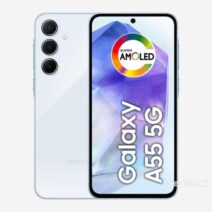
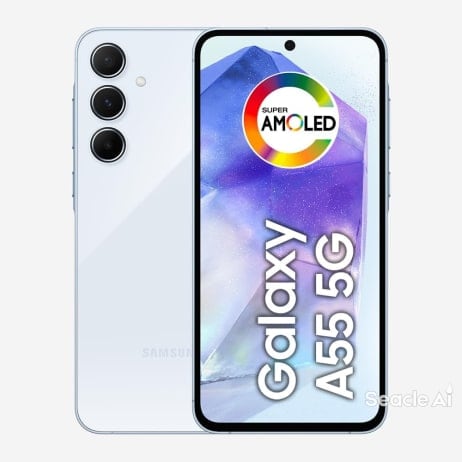

Strong first impressions matter. The Samsung Galaxy A55 arrives as a midrange phone with a balanced set of features and a few expected compromises that matter to certain users. Samsung Galaxy A55 targets buyers who want a clean software experience, a quality AMOLED display, and steady daily performance without flagship pricing. Every phone has a limitation, and this model may not be ideal for people who expect flagship-level camera detail, want to run prolonged top-tier gaming without any heating, or demand maximum battery endurance for two full days of heavy use.
Table of Contents
- Samsung Galaxy A55: Practical overview
- Key specifications
- Availability and price
- Samsung Galaxy A55 vs Google Pixel 8
- Gaming performance expectations
- Frequently Asked Questions
- Conclusion
Samsung Galaxy A55: Practical overview
Launch and availability are straightforward. Samsung announced the model in early 2025 and rolled it out through spring 2025 in most major markets. The phone reached retail and online channels in multiple waves: Europe and India saw stock first, followed by shipments to the United States and select other regions. If you search for it in late 2025 and into 2026, most markets list it as current or available through carrier deals and open retail.
Important early note: the device is positioned in the midrange space and intentionally balances features and cost. That means camera hardware, raw sustained gaming power, and battery endurance are tuned to a price point, not to match Samsung flagships. For everyday social apps, navigation, streaming and light productivity, it behaves well; for professional photography or marathon gaming sessions you should adjust expectations.
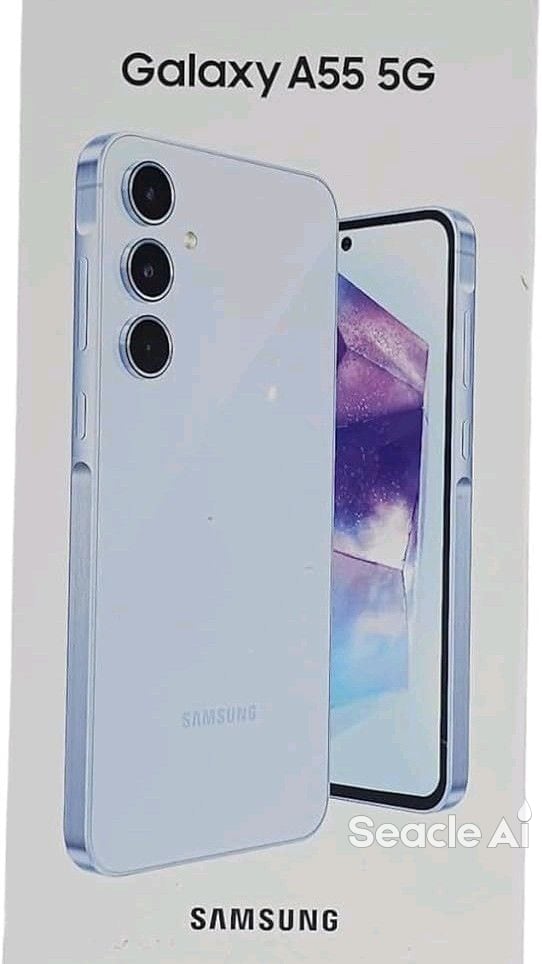
Samsung Galaxy A55 key specifications
Below I translate the key specs into plain language so you can tell what matters in day-to-day use. I keep the technical terms but explain the real effect on battery life, screen comfort, and performance.
1. Display
The phone uses a 6.4 to 6.6-inch Super AMOLED panel with likely full HD+ resolution and adaptive refresh rate up to 120Hz. In real terms that means bright colors, strong contrast for streaming video, and smooth scrolling when the refresh rate switches to 90 or 120Hz for supported apps. Outdoor visibility is good for most users; auto-brightness works reliably. The screen is large enough for split-screen apps and reading, but not overwhelmingly big.
2. Processor
Samsung equipped this model with a midrange chipset tuned for efficiency and balanced performance. Expect quick app launches, smooth navigation in most apps, and occasional frame drops under very heavy loads. For daily use—email, web browsing, streaming, and camera apps—the chipset delivers responsive behavior. It is not designed to match high-end silicon in benchmark peak scores, but the thermal design helps avoid erratic slowdowns in normal conditions.
3. RAM and storage
Typical options are 6GB or 8GB of RAM and 128GB or 256GB of internal storage, often with a microSD slot available in some regions. For power users, 8GB and 256GB provide comfortable headroom for many apps, a photo library, and some offline media. If you keep dozens of apps open at once or run many background services, choose the higher-RAM configuration.
4. Battery and charging
A battery around 5000mAh is common for this class, with charging speeds in the 25W to 45W range depending on market and model year firmware. In practice you should expect a full day of mixed use—social media, streaming, messaging, and an hour or two of gaming. Heavy gaming will bring the battery down faster and produce heat, which can reduce sustained high-refresh-rate gameplay times.
5. Camera features
Samsung places a capable main sensor, a wider-angle secondary, and a macro or depth sensor depending on the SKU. Daytime photos are clean with good color and dynamic range for the price. Low-light shots are acceptable but lack the sensor size and software processing power of flagships. Video recording is stable for casual clips, but you should not expect flagship-level stabilization or extreme low-light detail.
6. Operating system
The device ships with Samsung’s One UI layered over Android with multi-year update promises that vary by region and purchase agreements. Expect useful software features like system-wide dark mode, useful camera modes, and Samsung’s app ecosystem. Regular security and platform updates through 2026 are typical for Samsung midrange models of this generation.
Availability and price
Availability depends on region and carrier relationships. As of 2025–2026 the model is widely available in India and Europe through retail channels and e-commerce platforms. In the United States, it appears through select carriers and unlocked retail stock; availability may lag a few weeks behind Europe. Other major markets—Southeast Asia, parts of Latin America, and the Middle East—generally have stock but shipment timing varies.
Pricing also varies: launch street price typically sits in the midrange bracket. Expect official retail prices around the equivalent of $350 to $450 USD, with variations for local taxes and promotions. In India the price frequently adjusts with launch offers and bank discounts and often reads in the 20,000 to 30,000 INR range depending on configuration. In Europe expect around 300 to 450 EUR depending on storage and regional taxes.
If tight price sensitivity is your priority, wait for seasonal sales or carrier discounts—those bring this model into very competitive value territory.
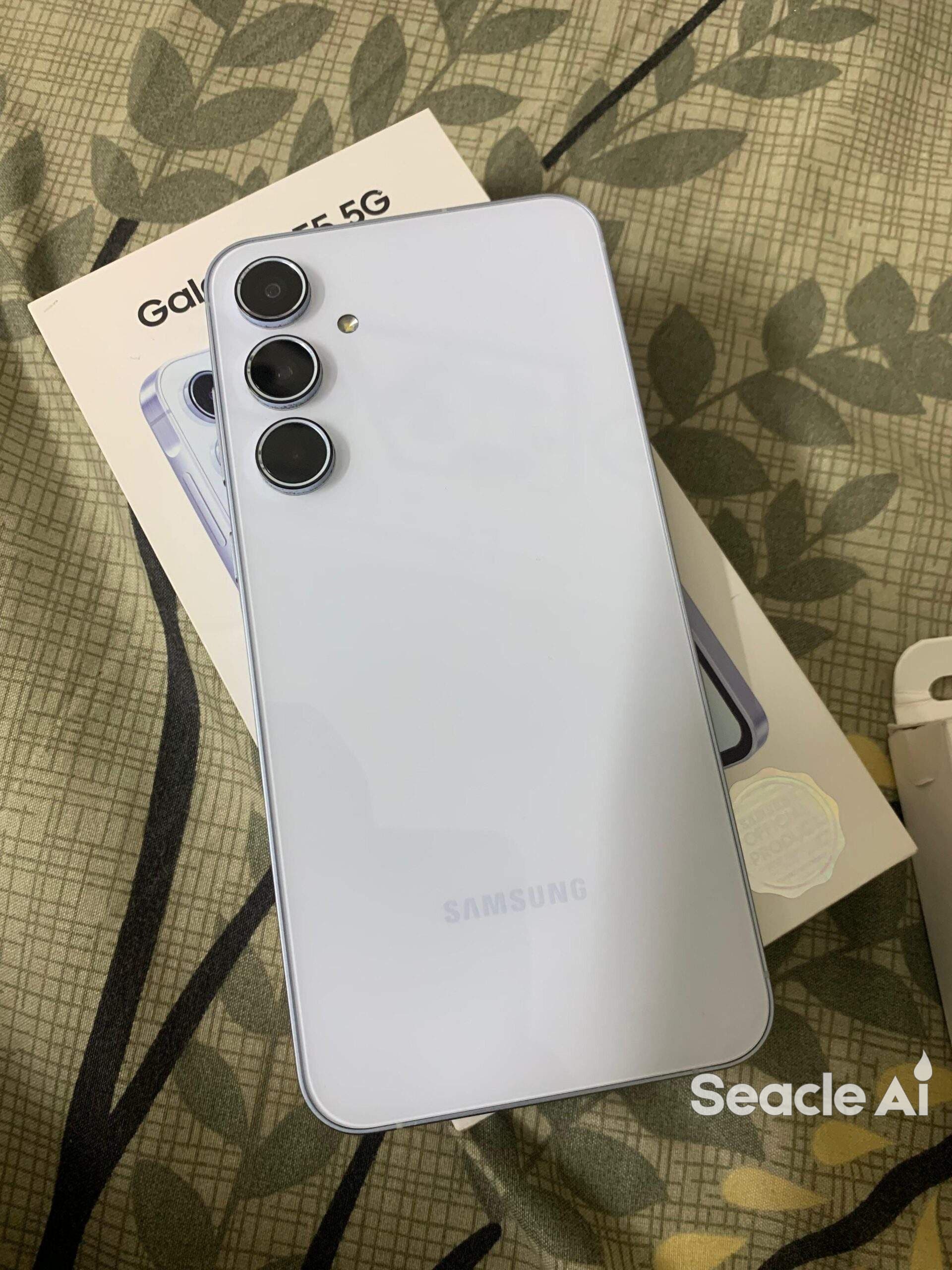
Samsung Galaxy A55 vs Google Pixel 8
A plain comparison helps decide whether the A55 is the logical buy for you. I focus this comparison on how the A55 will behave compared to a higher-tier alternative, keeping the spotlight on real-world outcomes rather than raw specs.
1. Performance and daily usage
The A55 delivers consistent daily performance. The Pixel 8 offers faster peak CPU performance and stronger AI-assisted tasks, so if you rely on heavy multitasking or computational photography, the Pixel has the edge. For general browsing, email, social apps, video streaming, and most productivity tasks, the A55 feels smooth and reliable.
2. Display quality and refresh rate
Both devices use high-quality OLED-type panels. The Pixel 8 can show slightly higher peak brightness and may have finer color tuning from Google. The A55 provides a great viewing experience for its class, often with a 120Hz option. If you want the absolute best HDR performance and color accuracy out of the box, the Pixel nudges ahead; for most users, the A55 screen is more than adequate.
3. Battery life and charging speed
Average battery life on the A55 is solid: a full day in normal use. The Pixel 8 sometimes optimizes background tasks better and can stretch usage in light-use scenarios, but the A55 often wins under heavier screen-on workloads thanks to efficient hardware pairing. Charging speeds on Pixel and A55 differ by region and charger support; neither will beat premium fast-charge winners, but both recharge quickly enough for typical daily top-ups.
4. Camera performance
In stills and low light, the Pixel 8’s image processing and sensor combination typically outperform the A55. The A55 captures very good daylight photos and acceptable evening shots, but it does not match the computational photography and detail recovery that Pixel models provide. If photography is a priority, the Pixel’s processing gives it the recommendation; if casual snapshots and good video are your needs, the A55 is fine.
5. Price difference and value for money
There is usually a meaningful price delta. The A55 targets buyers who want competent hardware and long software support without the premium cost. The Pixel 8 asks for a clear price premium and offers higher-end camera and processing features in return. If your budget is constrained, the A55 provides more value per dollar for heavyweight everyday tasks; if photography and peak performance are worth the extra cost, the Pixel can justify the higher price.
6. Key drawbacks and alternatives
Main drawbacks of the A55 are middling low-light camera performance and limited sustained high-power gaming compared with flagship-class phones. Alternatives to consider if those are priorities include higher-tier Samsung or other brand flagships, but those come at a higher price. For buyers who want the most for the money, the A55 remains a sensible pick.
Gaming performance expectations
If gaming is a major purchase driver, here are realistic expectations for common competitive mobile titles. The A55 supports 90 to 120Hz refresh rates where the title and settings allow, but sustained maximum frame rates depend on thermal management and graphics settings.
1. BGMI
Expected average FPS: 40–60 FPS on balanced to high settings. If you push to ultra settings, expect frame dips into the 30s during prolonged fights. Thermal throttling: moderate after 20–30 minutes of continuous play, with performance smoothing to prevent temperature spikes. High refresh rate support: yes, but you will see benefits mainly in menus and lighter scenes rather than during sustained high load.
2. PUBG Mobile
Expected average FPS: 45–60 FPS on balanced/HD settings. At maximum graphics and HDR, average can fall to the 30–40 range during complex scenes. Thermal behavior is similar to BGMI: initial high performance, then a taper as the device manages heat. Turn down shadows and anti-aliasing for longer high-FPS sessions.
3. Valorant Mobile
Expected average FPS: 50–90 FPS depending on settings, since Valorant mobile ports often scale well. You can get smoother results by lowering texture quality while keeping frame rate targets. Thermal throttling: lower risk than the previous titles if you limit settings, but extended matches on highest settings will cause warming and occasional drops.
4. Call of Duty Mobile
Expected average FPS: 40–60 FPS on high settings, with occasional spikes above 60 in simple scenes. Thermal throttling presents after long battle royale matches or uninterrupted multiplayer sessions, but the phone recovers quickly once back to lower load. Adjusting the frame rate cap and graphics balance extends consistent performance.
Practical tip: if you plan regular multi-hour sessions, use a case that aids heat dissipation or play in short bursts to avoid throttling. Keep the refresh rate adaptive to conserve battery without giving up perceived smoothness during everyday use.
Frequently Asked Questions
Is the Samsung Galaxy A55 water resistant?
Some regional variants include basic splash and dust resistance, but IP-rated water resistance varies by specific SKU and market. Check the official specification sheet for your region before assuming full water protection.
How long will software updates last for the Samsung Galaxy A55?
Samsung committed to multi-year support for many midrange models in this generation, including security updates and a set number of Android version upgrades. Exact years depend on purchase date and region, but expect at least two to three years of platform updates plus additional security patches.
Can the Samsung Galaxy A55 handle mobile photography for social media creators?
Yes, for everyday social content it performs well—bright daytime photos, decent portrait shots, and reliable video for short clips. For professional-grade photography or heavy editing, a higher-tier device with larger sensors and advanced processing will do better.
Is the battery removable and does it support fast wireless charging?
The battery is non-removable. Wireless charging and the exact fast-charge wattage depend on the regional model and accessories; most A-series phones in this generation favor wired fast charging and may not include high-power wireless charging.
Conclusion
The Samsung Galaxy A55 is a thoughtful midrange phone for buyers who want a dependable daily driver without a flagship price. Strengths include a strong OLED display, clean software with multi-year updates, and balanced everyday performance. It is a good pick for streaming, social media, photo snaps, and moderate gaming.
Limitations are equally clear: the camera system does not reach flagship detail levels in difficult lighting, sustained heavy gaming brings thermal throttling that affects long sessions, and battery endurance, while solid for a day, will not match the longest-running devices for two-day use without charging. If those are non-negotiable requirements, consider a higher-tier model.
In short: choose this phone if you want sensible features, good display quality, and reliable daily performance at a midrange price. If you need the highest camera fidelity, marathon gaming performance, or the longest possible battery life, reserve the budget for a higher-end option. The Samsung Galaxy A55 delivers practical value and steady real-world behavior for most users in 2025 and 2026.