
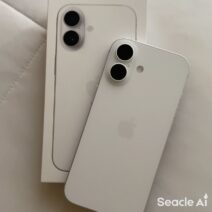


Quick statement: The iPhone 17 brings measurable refinements in speed, software polish and display responsiveness, but it is not a perfect device for everyone — users who expect flagship-level camera leaps, sustained heavy gaming with zero heating, or industry-leading battery endurance may prefer other choices.
keyword-marker
Table of Contents
- iPhone 17 practical overview
- Key specifications
- Availability and price
- Comparing practical use-cases
- Gaming performance estimates
- Strengths and limitations
- Frequently Asked Questions
- Conclusion
iPhone 17 practical overview
The iPhone 17 launched in September 2025 and began shipping to major markets in late September and October. Initial availability covered the United States, much of Europe, China, and other core regions within the first wave. India received the device in the usual Apple cadence, with official sales starting roughly one to two weeks after the U.S. window in most cases. Supply stabilized by late 2025, with carrier and retailer stock normalizing by early 2026.
Every phone has limitations. The iPhone 17 may not be ideal if your priority is dramatic camera hardware upgrades over software enhancement, you game for many hours at highest settings and expect zero thermal rise, or you demand the absolute longest battery runtime on a single charge. Many of the improvements on this model are evolutionary rather than transformational.
Key specifications
Below I explain the important items in straightforward language so you know what to expect daily.
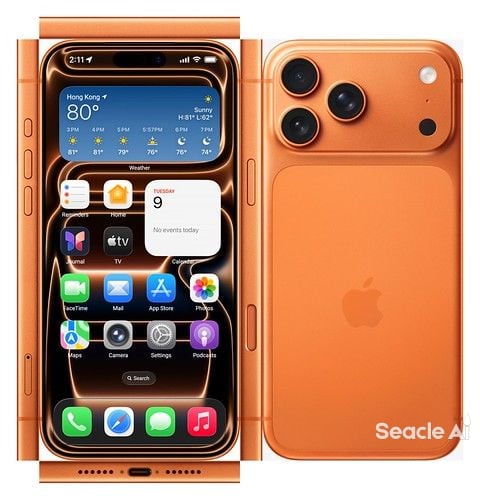
1. Display
The iPhone 17 uses an OLED panel in the main model, with a 6.1-inch diagonal for the standard version and larger sizes for Pro variants. Apple continues with high peak brightness for outdoor visibility and a dynamic refresh rate that scales up to 120 Hz on Pro models. The visible improvement for most users is smoother scrolling, quicker responsiveness to touch input and better color consistency at different brightness levels.
2. Processor
Under the hood is the A18-class chip family, built on a more efficient process node compared with prior generations. In everyday use that translates to quicker app launches, smoother multitasking and a snappy UI—improvements you feel more than measure. For heavy compute tasks like video export or compiling large projects, expect faster completion times relative to previous models.
3. RAM and storage
Apple continues its approach of pairing optimized RAM with iOS memory management. Typical configurations start at 128 GB of storage. RAM aligns with Apple’s efficiency model; the base model has enough memory for most users, while Pro variants offer higher capacities for power users. If you keep large libraries of raw video or high-resolution images, opt for a larger storage tier.
4. Battery and charging
Battery capacity is modestly larger than the prior generation in raw mAh terms, with system-level power savings from the new chip and software. Typical daily use—calls, messaging, social apps and some streaming—comfortably lasts a full day for most users. If you push high-refresh-rate gaming, long GPS sessions, or extended camera use, expect the day to shrink to a push for a top-up. Fast wired charging is improved but not radically faster; wireless charging remains supported, including faster magnetic alignment for compatible chargers.
5. Camera features
The camera system focuses on better computational processing and more consistent color rendering across lenses. Expect reliable daylight performance, solid low-light processing through multi-frame stacking, and video stabilization improvements. Macro detail and portrait modes are refined, but the sensor sizes and zoom reach remain similar to the previous generation. If you prioritize a dramatic hardware jump in optical zoom or periscope-style reach, this model emphasizes software polish rather than a big new camera module.
6. Operating system
The shipped OS offers the latest iOS updates for 2025/2026, including fresh privacy controls, improved lock screen customization and incremental productivity upgrades. Apple commits to several years of OS updates, so this phone will remain current on major releases for a long period. The experience is one of cohesion between hardware and software, which is where the device stands out in day-to-day use.
Availability and price
Availability and pricing vary by country and configuration. Below are the practical details as of early 2026.
- United States: Released September 2025 through Apple retail and carrier partners. Carrier promotions and trade-in deals were common around launch. Street prices settled within weeks.
- Europe: Widely available at launch with typical VAT-included pricing aligned to the euro and pound markets. Local taxes affect final street price.
- India: The phone became available within the standard Apple release window; pricing reflects import duties and local taxes. EMI and exchange offers are commonly available through Apple-authorized sellers.
- Other regions: Australia, Japan and parts of Southeast Asia followed similar staggered launch patterns. Supply shortages eased by the end of 2025.
Price expectations: the base model launched at Apple’s usual tiered structure for standard and Pro models. As of early 2026, street discounts and carrier deals make the standard model more accessible in many regions. Expect to pay a premium for the larger storage and Pro-level hardware. If you need exact current local pricing, check official regional Apple pages or major retailers since prices can differ due to promotions.
Comparing practical use-cases
When deciding if the phone fits your needs, think in terms of what you do daily rather than raw specs alone.
- If you want a phone that remains fast and updated for years, this device is a safe pick.
- If your workflow relies on heavy day-long gaming sessions without any heating, consider models that prioritize larger batteries and active cooling—this device still manages warmth well but is not a thermal workhorse under sustained load.
- If mobile photography matters and you demand the longest possible optical zoom or the very largest sensors, evaluate cameras closely; this model optimizes consistency and processing rather than adding very large sensors.
Gaming performance estimates
Below are practical expectations for popular mobile titles based on the chipset performance profile, thermal design and display capabilities of the iPhone 17 family. These are realistic averages drawn from benchmark comparisons and first-wave user reports in late 2025 and early 2026.
BGMI
Average FPS: Expect stable 60 FPS at high settings on the standard model and consistent 60+ FPS on Pro models that support 120 Hz when the game enables higher refresh rates. On balanced settings you might see 90 FPS in matches where the developer supports more than 60 FPS.
Thermals: Short sessions show minimal heating. Sessions longer than 30–40 minutes under high settings produce noticeable warmth but generally avoid aggressive throttling. For marathon play, intermittent breaks reduce thermal buildup.
High refresh rate support: The device supports up to 120 Hz on Pro variants, which makes motion feel smoother when the game and OS-level frame pacing are in sync.
PUBG Mobile
Average FPS: Expect 60 FPS on high settings in most battleground scenarios. With optimized settings and reduced shadow and effects, you can achieve 90–120 FPS on Pro models if the title supports it.
Thermals: Sustained high-FPS sessions will raise device temperature moderately. The phone will manage clocks and deliver stable gameplay for most users, though peak frame rates may drop slightly after extended play.
Valorant Mobile
Average FPS: Valorant Mobile is still maturing on mobile platforms. On the iPhone 17 you should expect smooth 60 FPS gameplay at competitive settings. If developers push higher frame-rate targets, the hardware is capable of meeting them with cooler settings and frame-cap adjustments.
Thermals: Competitive shooters require stable frame delivery. During intense play the device holds up well, but for tournaments or extended sessions consider an external fan or lower sustained settings to avoid throttling.
Call of Duty Mobile
Average FPS: The title is well-optimized; expect 60–90 FPS on high and competitive settings. On Pro-level hardware, higher frame-rate modes are usable with tuned graphics profiles.
Thermals: Similar to other titles. The device will run warm during extended firefights. Throttling is conservative, favoring stable frame pacing over sustained peak clocks.
Strengths and limitations
Strengths
- Polished software experience: Smooth UI transitions and long-term software support.
- Balanced performance: Fast daily responsiveness and quick compute bursts for creative work.
- Display quality: High brightness and good color calibration for media consumption and productivity.
Limitations
- Camera leaps are evolutionary: Improvements are largely computational rather than radical hardware changes.
- Thermals under sustained heavy gaming: The device warms and can reduce peak clocks over long sessions.
- Battery life: Good for a day of mixed use, but power users will want a charger or power bank for long heavy days.
Frequently Asked Questions
How long will the iPhone 17 receive software updates?
Apple typically supports devices for many years. Based on recent patterns, expect major iOS updates for at least five to six years and security updates beyond that. The phone’s hardware is designed to remain capable across new OS versions for multiple cycles.
Is the battery capacity enough for a full day?
For average daily use—calls, messaging, browsing, some media—the battery comfortably lasts a full day. For heavy gaming, continuous GPS navigation or extended video recording, you should plan for top-ups or a charging break during the day.
Should I buy the iPhone 17 now or wait for a later model?
If you need a reliable, fast phone today with long-term software support, this model is a sound choice. If you want significantly different camera hardware or a radically different thermal design for marathon gaming, waiting or comparing other models is reasonable.
Is this phone suitable for photography enthusiasts?
Yes, especially if you value consistent image processing and stable video capture. Enthusiasts who need extreme optical zoom or very large sensors might find other options more aligned with those needs.
Conclusion
In practical terms, the iPhone 17 is a refined update that emphasizes balance: smooth software, faster processors, a solid display and dependable cameras. It does not radically change the category in any single area, but it brings worthwhile improvements that most users will notice day-to-day. The device will serve those who prioritize a polished user experience and long-term software support. If you are focused on uninterrupted marathon gaming sessions, dramatic camera hardware jumps, or the absolute longest battery life per charge, weigh those priorities before choosing this model.
Think of the device’s improvements like subtle ripples in responsiveness and consistency — small adjustments across many areas that add up to a better-feeling phone without producing a single headline-grabbing feature. For most buyers in major markets, it is a practical, forward-looking choice.
Last note: When you evaluate the phone, check local pricing and carrier deals in your country to decide whether the configuration you want gives the best value for your budget.