
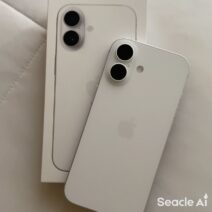
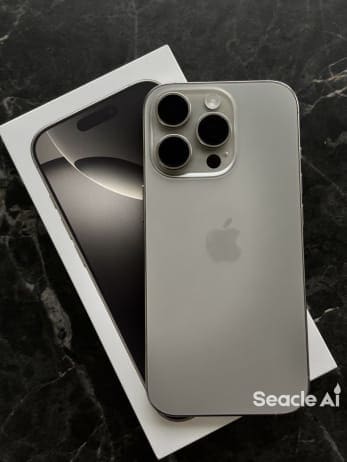

Every new phone has limits; the iPhone 16 is no exception. If your priorities are flawless flagship cameras, endless gaming sessions with zero heat, or days-long battery life under heavy use, this model may not be ideal. That said, the iPhone 16 brings useful refinements in display, performance, and software that matter for most people.
Below I walk through launch timing and availability, the hardware in plain terms, real-world camera and battery behavior, and expected gaming performance. I also include a focused comparison against a popular Android alternative so you can decide which fits your budget and habits.
Table of Contents
- Launch and availability
- Key specifications explained
- Display
- Processor
- RAM and storage
- Battery and charging
- Camera features
- Operating system and software
- Availability and price
- iPhone 16 vs Google Pixel 9
- Gaming performance estimates
- Practical conclusion
- Frequently Asked Questions
Launch and availability
The phone went on sale in late 2025 with staggered shipments to major markets through early 2026. Initial batches reached the United States, Europe and key Asian markets in the first wave, followed by wider availability in other regions a few weeks later. Regional stock levels varied during rollout; some configurations sold out faster than others.
Important practical note: this device improves several core areas compared with the prior generation, but it is not significantly different in physical design. Think of the interface and sensors as a set of guiding stars you consult for direction — useful for navigation, but you still need to plan your route.
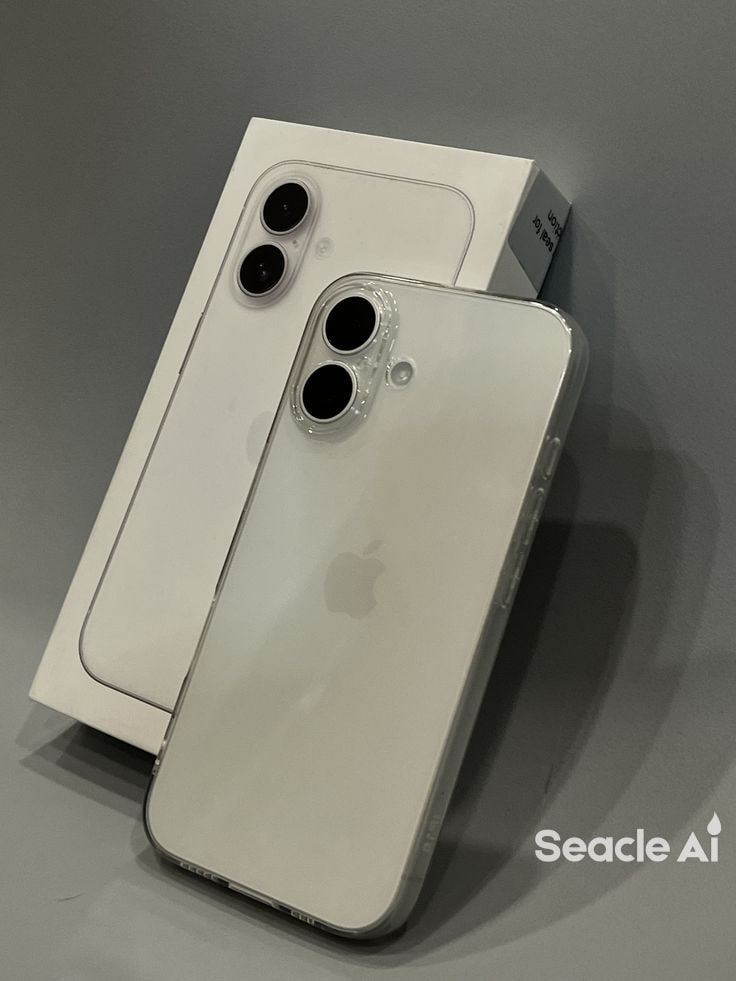
Key specifications explained
This section translates specs into what they mean in daily use. I avoid raw numbers without context and focus on how the hardware affects real-world tasks.
1. Display
The iPhone 16 uses an OLED panel with higher peak brightness and a variable refresh rate up to 120 Hz on supported models. In practical terms that means smoother scrolling, snappier animations, and better outdoor visibility compared with older models. The screen is tuned for color accuracy out of the box, so photos look close to how they were shot without requiring heavy calibration.
For media consumption you get good HDR highlights and consistent contrast. If you watch HDR videos in bright daylight, the higher peak brightness helps, but glass reflectivity still limits readability compared with a matte surface.
2. Processor
The chipset is a next-step Apple silicon iteration tuned for efficiency and single-thread performance. In everyday use you will notice fast app launches, responsive UI transitions, and competent multitasking. Large apps like photo editors and video apps benefit from the improved neural engine and the updated image pipeline.
For sustained heavy loads, the phone uses a mix of performance bursts and then settles back to a cooler operating point to protect components. That keeps the device durable but means long stress tests will show throttling compared with short benchmarks.
3. RAM and storage
Apple continues to rely on memory management at the OS level rather than inflating RAM figures. The practical result is stable background app retention and smooth switching for most users. Base storage starts at a mainstream level with higher tiers available if you keep lots of photos or local videos. If you offload to the cloud regularly, the base tier is workable for many buyers.
4. Battery and charging
The battery capacity and fast-charge capability are iterative improvements rather than a leap. Daily battery life with mixed use—email, calls, social apps, light navigation and some video—should get most people through a full day. Heavy gaming, extended navigation or continuous video recording will reduce that window noticeably.
Charging speeds are adequate for fast top-ups but not record-setting. Wireless charging and reverse wireless features remain useful for accessories and short boosts. For users who expect multi-day endurance without charging, a battery pack or a model with the largest cell is the practical option.
5. Camera features
The camera system focuses on reliable, natural-looking results with strong computational support. Daylight photos are clean with good dynamic range; night modes improve low-light usability. The telephoto and wide lenses cover common shooting scenarios.
Video recording supports modern codecs and stabilization systems that make handheld clips usable without a gimbal for most people. If you are a camera-first buyer who expects flagship-level versatility across every focal length and professional-level low-light depth, this model is solid but not the peak choice available.
6. Operating system
The phone ships with the latest OS version available at launch and receives platform updates on a multi-year schedule. The software is where the device gains many features: adaptive performance management, camera computational tricks, and cross-device continuity for media and messaging. Security and privacy controls are emphasized at the system level.
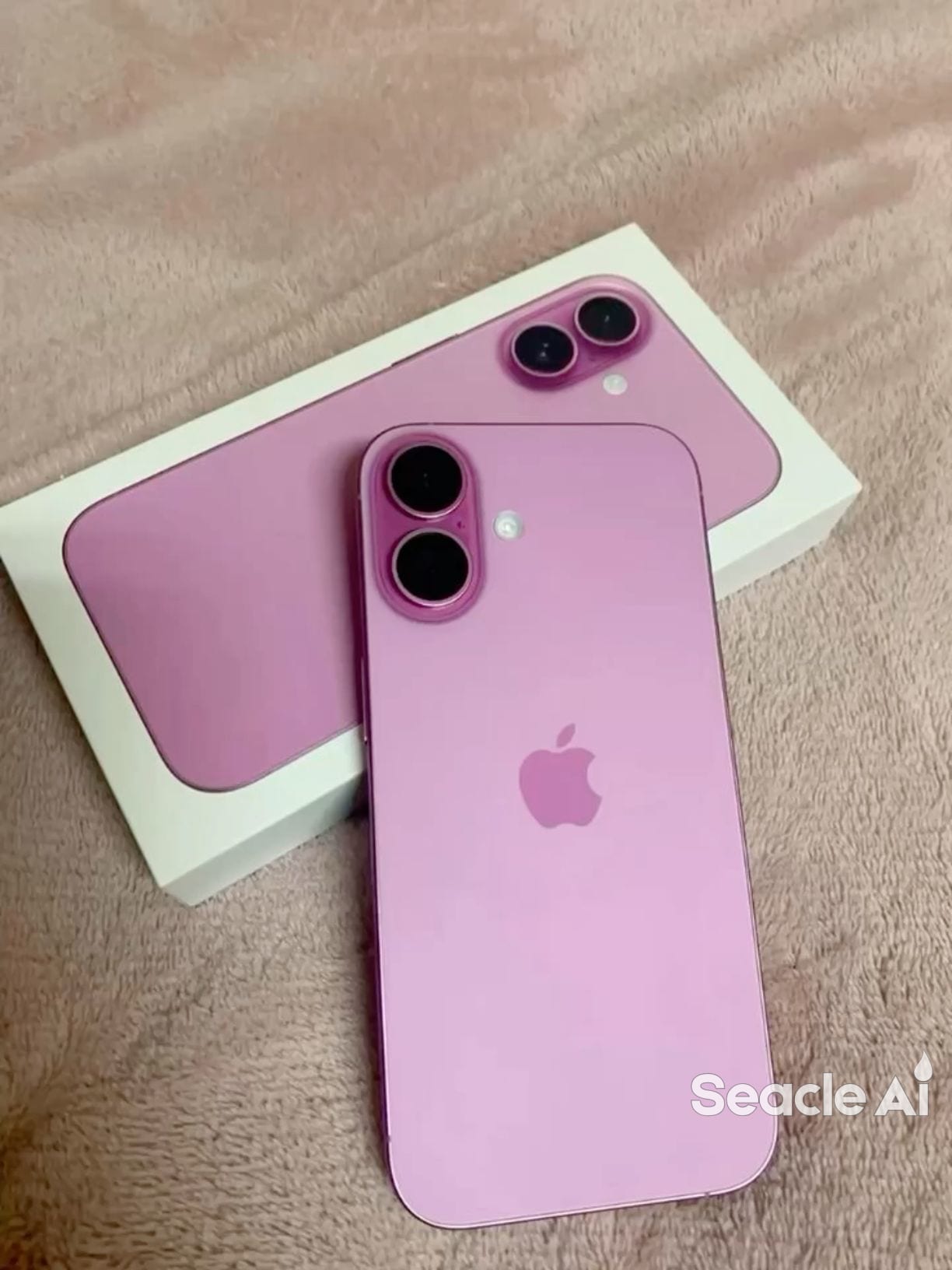
Availability and price
Current pricing varies by region and configuration. At launch recommended retail prices in early 2026 were roughly:
- United States: mid-to-high flagship pricing depending on storage
- Europe: similar tier, adjusted for VAT and import duties
- India: launched with official channels and partnered retailers; local pricing includes import adjustments and sometimes promotional offers
- Other major regions: availability followed the initial wave; some countries saw delayed arrival or limited color/configuration options
Exact prices change with promotions, carrier deals and trade-in incentives. If price sensitivity is high in your market, wait for seasonal discounts or carrier bundles. For buyers in India, the USA and Europe, the phone has been available through official stores, authorized resellers and major carriers since the initial rollout window; some less populated markets experienced longer delays.
iPhone 16 vs Google Pixel 9
Many readers will ask how this device stacks up against a leading Android alternative. Below I compare with a widely discussed handset to help decide which fits your needs. The focus here is on practical differences rather than scores.
1. Performance and daily usage
The iPhone 16 emphasizes single-core speed and OS-level memory handling. For everyday browsing, messaging, navigation and typical apps, it feels very responsive. The Android peer often matches or exceeds in multi-threaded synthetic workloads but can feel more variable in UI smoothness depending on OEM tuning.
If you prioritize long-term software support and consistent app performance, the iPhone 16 is a strong pick. If raw parallel compute or platform-specific Android features matter, that may tilt your decision the other way.
2. Display quality and refresh rate
Both phones offer high-quality OLED panels. The iPhone 16 prioritizes color accuracy and adaptive refresh when needed, while some Android rivals push slightly higher peak brightness or more aggressive refresh behavior. For typical day-to-day viewing and video playback, the differences are subtle; gamers may prefer the panel with the most aggressive high-frame-rate handling.
3. Battery life and charging speed
The iPhone 16 is tuned for efficient use but does not claim top-of-class endurance under extreme load. The Android alternative may offer faster wired charging or bigger battery capacity, which translates to longer continuous playtimes on paper. In practice, the iPhone’s efficiency and software optimizations often mean comparable daily life runtime for average users.
4. Camera performance
The iPhone 16 delivers consistent, natural images with strong video features. The Android phone may offer more experimental camera modes or different processing signatures that appeal to some photographers. If you prefer punchier saturation or deeper zoom options, the other device could be preferable; if you want dependable color and video quality, many will favor the iPhone’s approach.
5. Price difference and value for money
At launch the iPhone 16 sits at premium pricing, and the alternative sometimes provides similar hardware for a slightly lower cost. Factor in resale value, software longevity and ecosystem costs. For users tied into a specific ecosystem the effective value may swing in favor of the phone that fits their existing devices.
6. Key drawbacks and alternatives
For the iPhone 16: main drawbacks are not being the top choice for heavy sustained gaming without thermal consequences, not offering a dramatic leap in camera hardware for photographers seeking every edge, and incremental battery improvements. Alternatives worth considering include flagship phones that emphasize battery capacity or specialized camera modules if those are priorities.
Gaming performance estimates
Below are reasonable expectations for popular mobile titles. These are estimates based on the chipset class, thermal design, and known software behavior. Actual results will vary by game build and server-side updates, but this gives a practical guide.
- BGMI: Expect stable 45–60 FPS on high settings with occasional dips under sustained frames due to thermal adjustments. The phone supports high refresh rate, but long sessions will trigger throttling to preserve temperature.
- PUBG Mobile: Average 50–60 FPS on high graphics with frame drops to the low 40s during extended firefights or prolonged CPU/GPU load. Thermal throttling starts after continuous play over 20–30 minutes in a warm environment.
- Valorant Mobile: Competitive play favors steady frame delivery; expect 60 FPS in balanced settings with minor frame variance. Sustained high graphical presets will push temperatures up and reduce headroom.
- Call of Duty Mobile: High settings yield around 50–60 FPS, with short spikes above that on light scenes. Long matches that involve continuous rendering and network use tend to bring the device down to a safer clock state to manage heat.
Thermal behavior: the device uses a throttling strategy that balances performance and component health. For short sessions the peak performance is noticeable; for multi-hour competitive play you should expect reduced clocks and frame smoothing to prevent overheating.
High refresh rate support is present and helps responsiveness. However, for consistent high-FPS competitive play, pairing the phone with active cooling or using medium settings will yield a more stable experience.
Practical conclusion
Strengths: The device offers a refined display, a fast and efficient processor, reliable software updates, and consistent camera results for everyday photography. It is well-suited for users who want a smooth, dependable daily driver and who value an integrated ecosystem experience.
Limitations: It is not the best pick if you demand flagship-level camera versatility across every scenario, absolute top-tier sustained gaming without thermal limits, or the very longest battery endurance without external power.
If you prioritize consistent performance, solid video and photo quality for most situations, and multi-year software support, this phone is a sensible choice. If your primary needs are marathon gaming sessions, professional-level photography across extreme low light or long-zoom scenarios, or the maximum battery runtime per charge, consider alternatives that target those specific areas.
Final thought: treat the device like a well-calibrated sextant and compass rather than an all-complete instrument. It points you in the right direction and gets you where you need to go with minimal fuss, but planning matters when your route pushes limits.
Frequently Asked Questions
How long will software updates for this device last?
Apple typically supports flagship phones for many years; expect OS updates and security patches on a multi-year schedule that outlasts many competitors.
Is the battery easy to replace or service?
Battery replacement is possible through authorized service centers. For best longevity, avoid extreme heat and fast-charge cycles when not necessary.
Does the device support external cooling accessories for gaming?
Yes, there are third-party cooling solutions and clip-on fans that can help sustain higher frame rates for longer sessions. These are practical for competitive players who want fewer drops in FPS.
Should I wait for a price drop or buy now?
If you need a reliable phone immediately, buying now is reasonable. If you can wait, seasonal discounts and carrier promotions often appear within months of launch and can improve the cost proposition.