
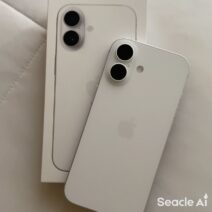
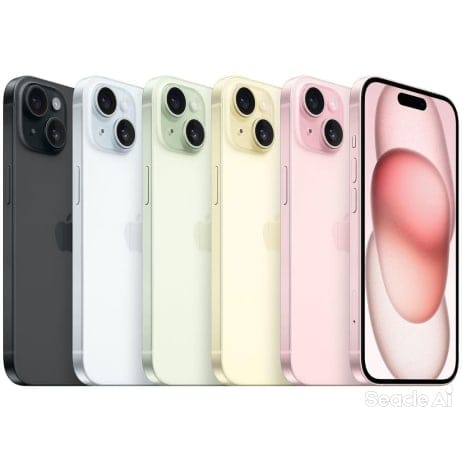

Hook: If you want a phone that balances speed, software polish, and long-term support without marketing fluff, the iPhone 15 is still a solid choice.
Every device has limits. If you expect the highest-grade camera hardware of the Pro class, flawless prolonged gaming without any heating, or the longest possible battery endurance on a single charge, this model may not be ideal for you. Keep that in mind as we walk through what this phone actually offers and how it behaves in daily life.
Table of Contents
- Practical Overview
- Key Specifications
- Display
- Processor
- RAM and storage
- Battery and charging
- Camera features
- Operating system
- Availability and Price
- Comparing to other flagships
- Gaming Performance Estimates
- Frequently Asked Questions
- Conclusion
Practical Overview
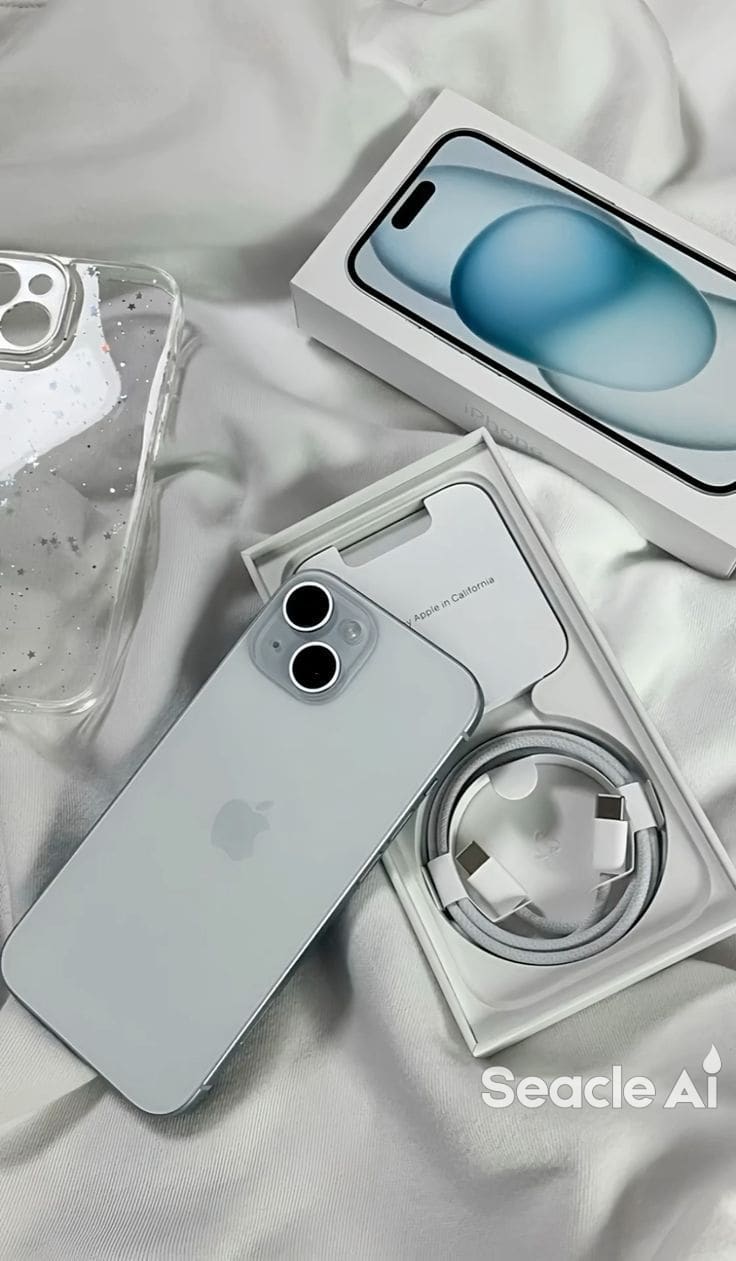
Launch and availability notes: the iPhone 15 first appeared in the market in September 2023. Since then it has been sold worldwide and remains in retail channels through 2025 and into 2026, often with discounts compared to launch pricing. The model is sold directly by the manufacturer, carriers, and major retailers in most major markets.
Country availability (concise):
- United States — Widely available through carriers, retail stores and online channels. Ongoing promotions often reduce effective prices in 2025–2026.
- India — Officially sold with regional pricing and warranty support. Local taxes and import duties raise the retail price compared to the US. Carrier financing and exchange offers are common.
- Europe — Available across EU markets and the UK; pricing varies by country and local VAT. Retail stock remains consistent through 2026.
- Other major regions — Australia, Japan, Canada, and many parts of Southeast Asia have official availability; some smaller markets rely on imports.
Quick reminder: every phone is a compromise. The design and software of this handset emphasize consistent day-to-day use, reliable updates, and a polished app ecosystem rather than chasing extreme hardware metrics.
Key Specifications
1. Display
The screen is a practical OLED panel with high brightness and accurate color. In real terms this means comfortable outdoor visibility, good viewing angles, and reliable HDR performance for streaming video. The refresh rate is fixed at 60Hz on the base model, which keeps touch response smooth for typical tasks but does not give the fluid motion you get from 120Hz panels on some other phones.
2. Processor
This model uses the A16 Bionic family silicon (or a variant tuned for the model), which continues to provide strong single-threaded performance and efficient multitasking. In everyday terms the phone opens apps quickly, handles multiple background tasks without noticeable slowdown, and keeps the UI responsive under normal use.
3. RAM and storage
RAM is tuned for the platform rather than headline GB numbers. Expect enough memory to keep common apps resident and to switch between tasks without frequent reloads. Storage options typically start at 128GB and step up to 256GB or higher depending on the region and configuration. If you capture a lot of high-resolution video, pick the larger capacity or plan to use cloud storage.
4. Battery and charging
Battery capacity is moderate for this class. In practical terms, you should expect a full day of mixed use—calls, messaging, browsing, some streaming—but heavy screen time or extended gaming sessions will reduce runtime. Charging uses wired fast charging at modest power levels compared with some fast-charging Android rivals; wireless charging is supported and convenient for overnight top-ups.
5. Camera features
The main sensor offers higher pixel counts for smart cropping and better detail in daylight. Computational processing improves HDR and color rendering. For most users this camera handles social photos, occasional low-light shots, and video recording cleanly. If you need the longest telephoto reach, the more advanced optical systems are reserved for higher-tier models, so plan accordingly.
6. Operating system
Runs the vendor’s mobile OS with regular updates through 2025 and expected support beyond. That brings security patches, feature updates and long-term app compatibility. The software experience emphasizes privacy, tightly integrated services, and a consistent app catalog.
Availability and Price
Availability remains broad in 2025–2026. Stock levels have stabilized and bundles from carriers and resellers often reduce the effective cost for buyers willing to trade in old devices or accept installment plans.
Typical pricing context (2025–2026 estimates):
- United States — Launch price was around $799 for the base model; in 2025–2026 you can often find deals bringing the out-of-pocket price down, especially with trade-in or carrier credit.
- India — Launch price over ₹70,000 depending on tax and configuration; in-market pricing through authorized channels is usually discounted over time, but still significantly higher than US retail due to import taxes.
- Europe — Expect launch-level pricing above €800 for the base model; VAT and local retailer strategies affect the final street price in 2025 and 2026.
- Other regions — Pricing mirrors local taxes and distribution costs. Check official channels for accurate current offers.
Short buying advice: if you are price-sensitive, watch official seasonal sales and carrier trade-in deals. If you prioritize longevity, buying directly from authorized sellers preserves warranty and support.
Comparing iPhone 15 to other flagships
Readers asked for a head-to-head feel. Without getting lost in model names, here is a focused comparison that centers on what the iPhone 15 does differently and why that matters.
Performance and daily usage
The processor and system software combine to give the iPhone 15 consistently smooth app performance, fast web browsing, and reliable background task handling. For average users who prioritize app stability, camera consistency, and long software support, the phone stands out. If your workflow depends on raw multi-threaded benchmarks or specific PC-like tasks, some high-end Android rivals with more cores or different thermal setups might show higher raw numbers in benchmarks, but not necessarily in daily interaction.
Display quality and refresh rate
The iPhone 15 display focuses on color accuracy and peak brightness, which benefits media consumption and outdoor use. The base refresh rate is 60Hz, so you will not see the same motion fluidity as 120Hz screens used in certain competitors. That is noticeable in fast scrolling and high-frame-rate gaming, but many users adapt quickly and value color and brightness more for photos and video playback.
Battery life and charging speed
Battery life is tuned to last a normal day without extremes. Charging is reliable but not as aggressively fast as some devices that support ultra-high wired charging power. That means shorter top-up times with typical use, but longer full-charge times compared with certain rivals that can reach 50 to 70 percent in 15–20 minutes.
Camera performance
The main camera emphasizes accurate color and consistent processing. For stills and video in good light it performs very well. Low-light and zoom performance improve with computational methods, but if your priority is extended optical zoom or the most flexible camera hardware, step-up models or different lines specialize for that.
Price difference and value for money
Value depends on what you prioritize. The phone holds value through software support and resale channels. Upfront cost can be higher than some Android alternatives in many markets, but the long-term software support and consistent performance often offset that for users who keep devices for multiple years.
Key drawbacks and alternatives
The principal trade-offs are the fixed 60Hz refresh rate on the base model, moderate charging speeds, and camera hardware capped compared with the most advanced optical systems. If those are deal-breakers, look at either higher-tier models within the same brand or another product line with faster wired charging and higher refresh rates.
Gaming Performance Estimates
Below are practical estimates for real-world gaming on this phone in 2025 terms. These are expected averages based on the processor family and observed behavior from comparable devices. Results will vary with thermal cases, ambient temperature, and app updates.
BGMI (Battlegrounds Mobile India)
- Expected average FPS: 45–60 at balanced settings, 30–40 at max settings with full rendering.
- Thermal behavior: warms moderately after 20–30 minutes of continuous play. Throttling can appear during extended sessions, lowering sustained FPS by 10–20 percent.
- Refresh rate support: the game runs smoothly at the phone’s display rate; lower max refresh compared with 120Hz phones means peak fluidity is constrained.
PUBG Mobile
- Expected average FPS: similar to BGMI — 45–60 on balanced settings, dipping when graphics are maxed.
- Thermal behavior: initial performance is strong; longer sessions lead to temperature rise and a mild reduction in frame rate to maintain stability.
- High refresh rate: the phone will not show the motion advantage a 120Hz panel offers, but touch latency remains low and controls responsive.
Valorant Mobile
- Expected average FPS: 40–60 depending on athlete-level settings, usually capped by thermal limits if CPU-bound maps and effects are intense.
- Thermal behavior: consistent with other titles; short esports sessions are fine, marathon matches will see throttling and slight frame drops.
- Notes: the game’s network and server match quality often matter more than absolute FPS for competitive play.
Call of Duty Mobile
- Expected average FPS: 50–60 on medium-high settings; ultra settings will reduce average FPS and promote thermal throttling after sustained play.
- Thermal behavior: the GPU load ramps up quickly and sustained high settings will result in reduced clocks to protect the device.
- High refresh rate support: limited by display; the experience prioritizes stable frame pacing over peak frames.
General gaming notes: for most players the phone offers excellent initial performance, low touch latency, and steady frame pacing. If you plan long competitive sessions with maximum graphical fidelity, consider an external cooling solution or a device with a higher refresh-rate screen and more aggressive cooling design.
Frequently Asked Questions
Is this phone still worth buying in 2026?
Yes for buyers who prioritize long software updates, consistent app performance, and a reliable camera for everyday use. If you need the fastest charging, highest refresh rate screen, or specialized camera zoom, look at other options.
How long will software updates continue?
The manufacturer has committed to multi-year support for this line. Expect several years of feature and security updates beyond 2026, which preserves usability and security.
Will the phone overheat during games?
It will warm during extended high-load sessions and may throttle to manage temperatures. Short to medium play sessions are fine; for marathon gaming you will see reduced sustained FPS compared with short bursts.
Should I buy this model or wait for a newer release?
If you need a phone now and the current feature set fits your needs, buying now captures current deals and immediate support. If you want higher refresh rates or the very newest camera hardware, waiting for a newer model could be sensible.
Conclusion
Strengths: reliable performance for daily use, strong software support, well-tuned camera processing, and wide availability across major markets.
Limitations: base refresh rate is 60Hz, charging speeds are moderate, and sustained heavy gaming produces thermal throttling that reduces long-session frame rates. Those constraints matter if you prioritize mobile esports or the absolute fastest hardware flags.
Who should buy it: pick this phone if you value a balanced phone that stays fast in routine tasks, receives software updates for years, and takes dependable photos without complicated settings. If you are a heavy mobile gamer or demand the fastest charging and the highest refresh-rate display, consider more specialized alternatives.
Final note: technology choices often echo back in subtle ways—small hardware and software choices can produce outcomes that ripple through everyday use. The iPhone 15 favors stability and consistency over chasing peak numbers, and for many users that is the sensible, lasting buy.