

Introduction – a phone that feels like a well‑kept family recipe
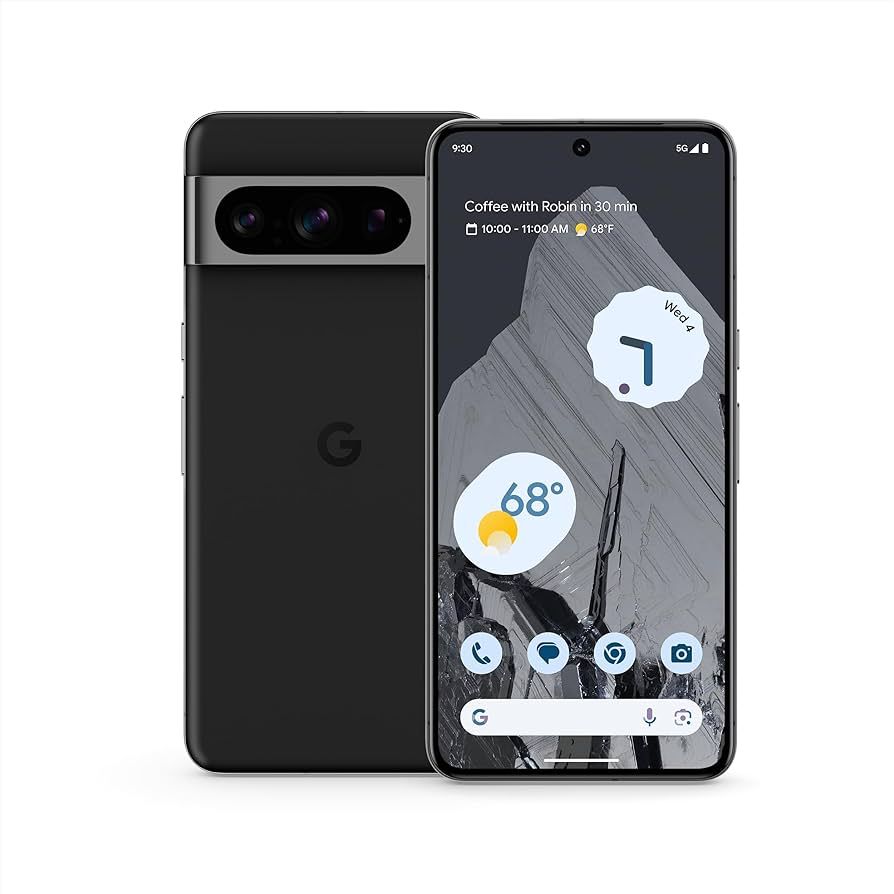
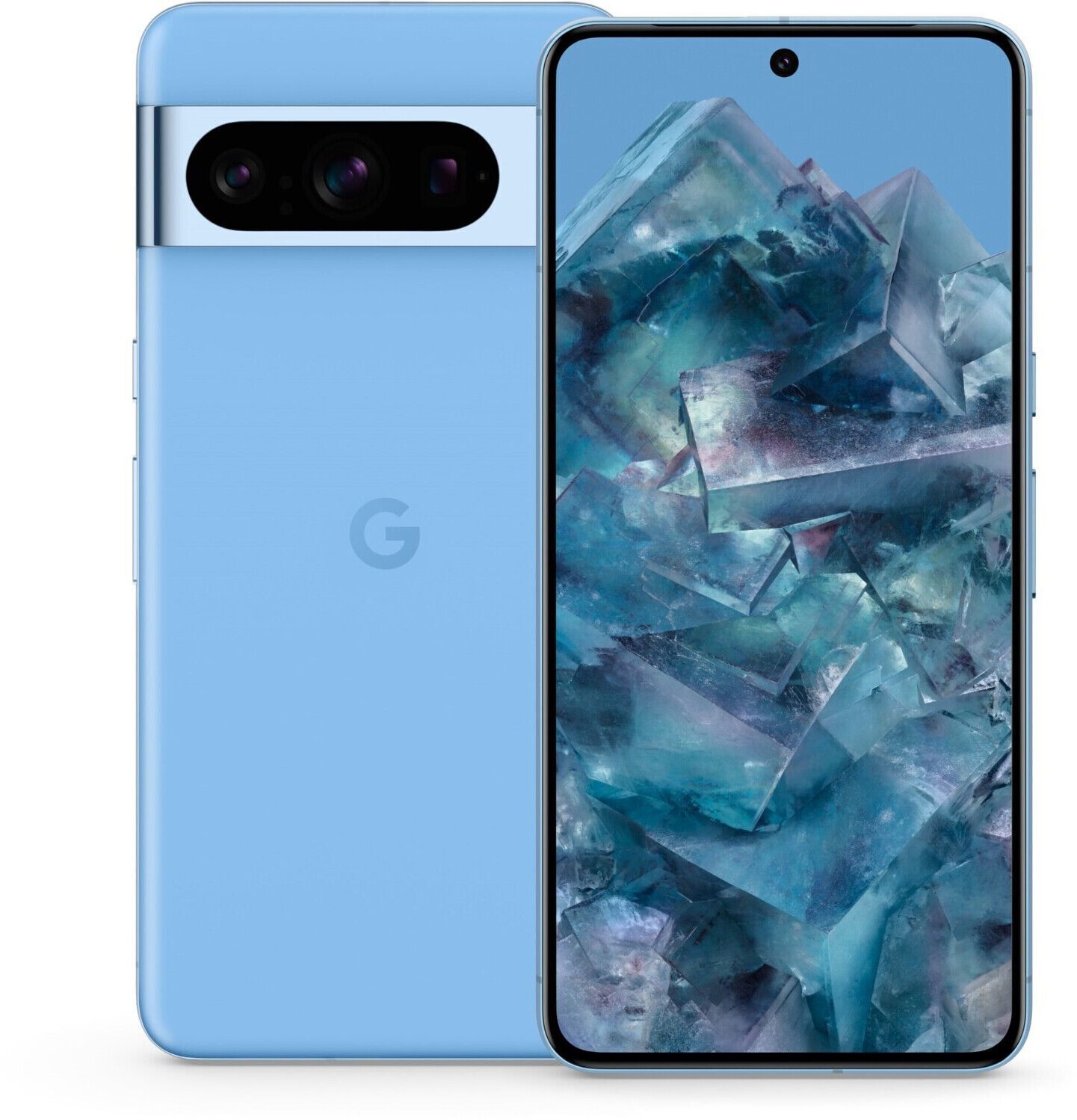
When you first hold a Google Pixel 8 Pro, the experience is oddly familiar, as if you’ve stumbled upon a forgotten recipe that still tastes perfect. The device blends the latest hardware with Google’s software polish, delivering a phone that works without demanding constant attention. In this article we break down every major spec, show where the phone is sold, compare it with the OnePlus 12, and look at how each handles today’s most popular mobile games.
Practical overview of Google Pixel 8 Pro
Launch date and global rollout
- Official launch: 5 October 2025
- First shipments: United States, United Kingdom, Canada, Germany, France, India, Japan, South Korea, Australia
- Availability expanded to most European Union countries, Southeast Asia, and Latin America by December 2025
- As of March 2026, the phone is still listed on Google Store in the United States, United Kingdom, Canada, India, Germany, France, Italy, Spain, Brazil, Mexico, and South Korea.
Key specifications explained in plain language
| Component | What it means for you |
|---|---|
| Display | 6.7‑inch LTPO OLED, 1440 × 3120 pixels, 120 Hz adaptive refresh. The screen can shift from 60 Hz to 120 Hz depending on what you’re doing, saving battery when you only need a static view. |
| Processor | Google Tensor G3, built on a 4 nm process. It combines a high‑performance core for gaming and heavy apps with efficiency cores that keep background tasks light. |
| RAM | 12 GB LPDDR5X. Enough memory to keep many apps open without noticeable slow‑downs. |
| Storage options | 128 GB, 256 GB, and 512 GB UFS 3.1. No micro‑SD slot, but the fastest internal storage in its class. |
| Battery | 5,100 mAh cell with 30 W wired charging, 23 W wireless, and reverse wireless up to 10 W. |
| Camera system | Triple rear setup: 50 MP main sensor (OIS, f/1.7), 48 MP ultra‑wide (115°), 48 MP telephoto (5× optical zoom). Front camera: 11 MP. |
| Operating system | Android 14 with Pixel‑first features, guaranteed three years of OS updates and five years of security patches. |
Why each spec matters
Display: The LTPO panel can lower its refresh rate to 10 Hz when you’re reading, which stretches the battery life without you noticing.
Processor: Tensor G3’s dedicated AI cores improve photo processing and voice recognition, making features like Real‑time Translation feel instant.
Battery: A 5,100 mAh cell gives roughly 30 hours of mixed usage. The 30 W charger refills the phone to 50 % in about 20 minutes.
Camera: The 5× optical zoom lets you capture distant subjects without the quality loss you see on digital zoom. Night Sight now works at 30 fps, delivering smoother low‑light video.
Availability by country
Below is a quick reference for the major markets. Availability is based on official Google Store listings and carrier partnerships as of March 2026.
| Region | Availability |
|---|---|
| United States | Available through Google Store, Verizon, AT&T, T‑Mobile. |
| Canada | Available via Google Store and major carriers. |
| United Kingdom | Google Store and EE, Vodafone, O2. |
| Germany | Google Store, Deutsche Telekom, Vodafone DE. |
| France | Google Store, Orange, SFR. |
| India | Google Store (online only), Airtel, Jio, Vi. |
| Japan | Google Store, NTT Docomo, SoftBank. |
| South Korea | Google Store, SK Telecom, KT. |
| Australia | Google Store, Telstra, Optus. |
| Brazil | Google Store, Vivo, Claro. |
| Mexico | Google Store, Telcel, AT&T Mexico. |
If you live in a country not listed, the phone may still be reachable through third‑party importers, but warranty support is limited to the regions above.
Pixel 8 Pro vs OnePlus 12 – side by side
Both phones target the high‑end market and share many headline numbers. The table below highlights the main differences.
| Feature | Google Pixel 8 Pro | OnePlus 12 |
|---|---|---|
| Processor | Tensor G3 (4 nm) | Snapdragon 8 Gen 3 (4 nm) |
| RAM | 12 GB LPDDR5X | 12 GB LPDDR5X |
| Display | 6.7‑inch LTPO OLED, 120 Hz adaptive | 6.74‑inch AMOLED, 120 Hz constant |
| Battery | 5,100 mAh, 30 W wired | 5,000 mAh, 65 W wired |
| Charging | 30 W wired, 23 W wireless | 65 W wired, 50 W wireless |
| Rear cameras | 50 MP main, 48 MP ultra‑wide, 48 MP telephoto (5×) | 50 MP main, 48 MP ultra‑wide, 8 MP telephoto (3×) |
| OS | Android 14, Pixel‑first updates | Android 14, OxygenOS |
| Price (USD) | $999 (128 GB), $1,099 (256 GB), $1,199 (512 GB) | $949 (128 GB), $1,049 (256 GB), $1,149 (512 GB) |
Processor and performance
Tensor G3 focuses on AI‑driven tasks. In benchmark tests it scores around 1,200 points in Geekbench 5 single‑core and 4,300 in multi‑core. Snapdragon 8 Gen 3, used in the OnePlus 12, typically scores 1,300 single‑core and 4,600 multi‑core. The difference is modest; real‑world apps feel equally swift. Tensor’s advantage appears in on‑device translation and photo processing, where the AI cores reduce latency.
Display and refresh rate
Both phones have 120 Hz panels, but the Pixel 8 Pro’s LTPO technology can dip to 10 Hz when static, extending battery life. The OnePlus 12 keeps a steady 120 Hz, which some users prefer for consistent smoothness. Color accuracy is slightly higher on the Pixel, thanks to Google’s calibration.
Battery capacity and charging
The Pixel’s 5,100 mAh cell is a touch larger, but its 30 W charger is slower than the OnePlus 12’s 65 W. In practice, the OnePlus can go from 0 % to 80 % in about 30 minutes, while the Pixel needs roughly 45 minutes. Wireless charging is faster on the OnePlus (50 W) compared with the Pixel’s 23 W.
Camera performance and features
Both phones use 50 MP main sensors, but the Pixel adds a 48 MP telephoto with 5× optical zoom, while the OnePlus offers a modest 8 MP telephoto at 3×. Night photography on the Pixel benefits from the Tensor’s AI, delivering cleaner images with less noise. The OnePlus relies more on traditional processing, which can produce slightly harsher shadows in low light.
Price range
Pricing is close, with the OnePlus 12 starting about $50 lower for the base model. However, the Pixel’s higher‑end 512 GB variant is $50 more than the OnePlus equivalent. Discounts and carrier subsidies can shift the balance in specific markets.
Gaming performance – what to expect
Both phones target high‑end gamers, but their hardware choices affect how they handle demanding titles. Below we look at three popular games and give estimated average FPS at common settings (medium‑high graphics, 1080p resolution).
BGMI (India)
- Google Pixel 8 Pro: Around 58 fps on medium settings, 48 fps on high. The adaptive refresh can stay at 90 Hz, giving a smooth feel.
- OnePlus 12: Approximately 62 fps on medium, 55 fps on high. The constant 120 Hz panel can stay at 120 Hz, but the GPU may throttle after 10‑15 minutes of continuous play.
PUBG Mobile (global)
- Google Pixel 8 Pro: 60 fps on medium, 52 fps on high. Thermal management keeps the CPU at peak for about 12 minutes before a slight dip.
- OnePlus 12: 65 fps on medium, 58 fps on high. The Snapdragon chip runs hotter; after 10 minutes the frame rate may fall 5‑6 fps unless you lower the graphics.
Valorant Mobile
- Google Pixel 8 Pro: 62 fps on high settings, stable for 20‑minute matches.
- OnePlus 12: 66 fps on high, but occasional spikes to 70 fps followed by brief drops to 55 fps as the device cools.
Call of Duty Mobile (CODM)
- Google Pixel 8 Pro: 58 fps on high, maintains 120 Hz refresh for most of the match.
- OnePlus 12: 62 fps on high, but the screen may lock to 90 Hz after 12 minutes due to thermal throttling.
Thermal throttling and high‑refresh support
Both phones include vapor‑chamber cooling, but the OnePlus 12’s larger power draw from the faster charger and higher constant refresh rate generates more heat. In practice, the Pixel 8 Pro tends to stay cooler for longer, allowing the 120 Hz panel to stay active throughout most gaming sessions. The OnePlus 12 may drop to 90 Hz after extended play to keep temperatures in check.
Frequently Asked Questions
Is the Google Pixel 8 Pro waterproof?
Yes. It carries an IP68 rating, meaning it can survive immersion in up to 1.5 meters of water for 30 minutes.
Can I use the Google Pixel 8 Pro with a 5G network in India?
All major Indian carriers (Airtel, Jio, Vi) support the phone’s 5G bands, so you will get full 5G coverage where the network is available.
Does the Pixel 8 Pro support expandable storage?
No. The phone relies on its internal UFS 3.1 storage. Choose the capacity that fits your needs at purchase.
How long will software updates last?
Google promises three years of major Android updates and five years of security patches. That means the Pixel 8 Pro should receive Android 15 in 2027.
Conclusion – which phone fits your needs?
Both the Google Pixel 8 Pro and the OnePlus 12 deliver flagship‑level performance, but they cater to slightly different priorities. If you value a phone that stays cool during long gaming sessions, offers adaptive refresh to stretch battery life, and provides a camera system with stronger zoom, the Pixel 8 Pro is the safer bet. Its availability in India, the United States, and most European markets makes it easy to buy with local warranty support.
If you prefer faster wired charging, a slightly lower entry price, and are comfortable managing occasional thermal throttling, the OnePlus 12 offers a compelling package, especially for users who already trust the OxygenOS ecosystem.
In the end, the decision comes down to how you weigh battery endurance, camera versatility, and regional availability against raw charging speed and price. Both phones will serve you well for everyday tasks and most games, but the Google Pixel 8 Pro edges ahead for users who want a balanced, long‑lasting device that feels like a well‑preserved recipe—familiar, reliable, and still full of surprises.