


Straight to the point: the Google Pixel 7a is a mid-range phone that focuses on software smarts, clean Android updates and solid cameras for its class. Google Pixel 7a appears throughout this article as the subject, and I will also be upfront: every phone has limits. This model is not ideal if you expect flagship-level telephoto shots, want to run extended high-end gaming sessions without thermal concerns, or need the longest possible battery life on a single charge.
Table of Contents
- Google Pixel 7a: Practical overview
- Key specifications
- Availability and expected price
- Choosing and comparison framework
- Gaming performance expectations
- Frequently Asked Questions
- Conclusion
Google Pixel 7a: Practical overview
Launch and official availability: the Google Pixel 7a launched in the mid-2023 product window and has continued to be sold in many regions into 2025 and 2026 through official channels and carrier partnerships. It has been restocked periodically rather than replaced immediately, so you can still buy it new in multiple markets depending on inventory.
Launch date and regions
- Initial launch: announced by Google in early to mid 2023, with immediate sales following in key markets.
- Ongoing sales: as of 2025/2026 the model remains available through Google’s store in some countries, through carriers, and through authorized retailers where stock is present.
Practical limitations up front
Before we dig into specs, remember a few straightforward trade-offs. The Pixel 7a is intended for people who value timely Android updates, clean UI, and good everyday imaging. It is less appropriate for buyers whose priorities are:
- Flagship-level camera hardware for long-range zoom and pro telephoto shots.
- Sustained, extreme gaming sessions that demand maximum frame rates for hours without thermal throttling.
- The very longest battery life under heavy continuous use.
Key specifications
Below I explain the core hardware and software in plain terms so you can judge how the phone performs in daily life.
1. Display
The screen is a compact OLED panel roughly around 6.1 inches that delivers good brightness and color for everyday use. It supports a higher refresh rate than older budget models, which gives smoother scrolling and animations. In practical terms you get sharp text, reliable outdoor legibility for short periods, and accurate colors for photo review.
2. Processor
The Pixel 7a is built on Google’s in-house silicon generation used in recent mid-range phones. In real-world terms this means snappy app loading, dependable background multitasking and better AI processing compared with older budget chips. The processor handles typical tasks—video calls, web browsing, photo editing—without drama. Under long gaming loads the chip will show thermal throttling sooner than flagship silicon, which is consistent with its target segment.
3. RAM and storage
Most units come with 8GB of RAM and 128GB of base storage, which is a solid baseline for day-to-day use. The RAM lets you keep many apps open without reloading. If you work with large local media files or want offline game libraries, consider a variant with higher storage if available, or plan to use cloud storage.
4. Battery and charging
Battery capacity is in the mid-range class. Expect a full day of mixed use: messaging, streaming, navigation and short gaming sessions. Heavy continuous gaming or extended screen-on time will reduce that to less than a day. Charging is modest by modern standards: the included wired charging wattage is not the fastest you can find in the market, and while wireless charging is supported in certain batches, it is not a standout feature for speed.
5. Camera features
The camera system focuses on computational improvements rather than a large array of sensors. You get a main wide camera that produces excellent daytime shots in most scenes thanks to image processing, good low-light performance relative to the category, and software features such as real-time HDR and portrait modes. There is no extensive optical zoom range, so if you frequently rely on telephoto shots you will notice the limit.
6. Operating system
This is where the phone stands out. The software experience is clean, with a near-stock Android interface and prioritized monthly security updates and multi-year OS upgrades directly from Google. If you value prompt updates and well-integrated assistant features, this phone provides a clear advantage over comparable devices that receive slower updates.
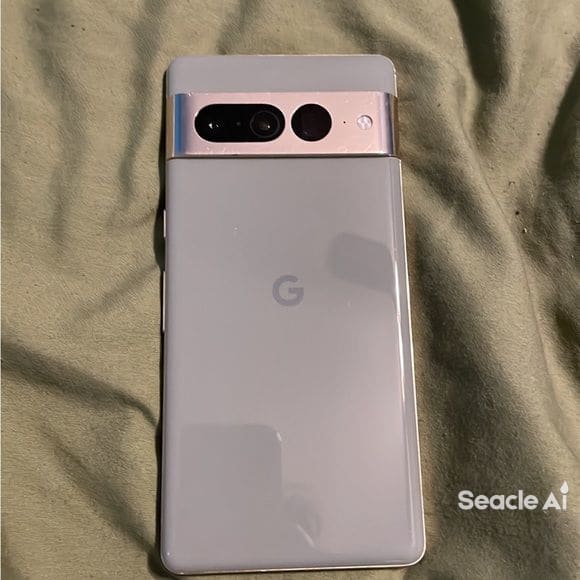
Availability and expected price
Where you can buy it and what to expect to pay:
India
The phone has been available in India through Google’s channels and major retailers when in stock. Price points in 2025 and 2026 fluctuate based on promotions and import stock; expect it to be positioned in the affordable-to-mid-range bracket compared with flagship models.
USA
In the United States, the device is often sold unlocked via Google’s store and through some carriers. Pricing typically undercuts flagship models while offering many of the same software perks.
Europe
European availability mirrors the US and India in that stock depends on Google’s regional distribution and carrier partnerships. VAT and regional taxes affect the sticker price; again, this is not sold at flagship prices.
Other major regions
Where local import rules and carrier agreements permit, the phone shows up in markets across Asia, Oceania and parts of Latin America. If you are outside the major launch territories, check authorized resellers or local carrier offers for warranty coverage.
Price guidance: by 2025 and into 2026, expect street pricing to fall below the initial launch price for buyers who are comfortable buying from retailers or carriers that carry remaining stock. Refurbished and open-box units can be an economical option if you want the software experience at a lower cost.
Choosing and comparison framework
The right way to decide if this phone is for you is to match the Pixel 7a’s strengths against your priorities. Below I focus on the device rather than naming specific rivals.
- Performance and daily usage: the system-on-chip and 8GB RAM deliver fluid daily performance. Apps open fast, AI-driven features operate smoothly, and multitasking is robust. If your daily routine is social apps, email, streaming and occasional productivity work, this phone will feel responsive.
- Display quality and refresh rate: a quality OLED panel and a higher refresh rate make reading and scrolling pleasant. This is not the absolute best panel available, but it avoids the washed-out look of older budget screens.
- Battery life and charging speed: expect a full day with typical mixed use. If you need two full days without charging or very fast top-up speeds, look elsewhere or carry a compact power bank for heavy days.
- Camera performance: excellent stills for the category through strong computational processing. The phone emphasizes software enhancement over many hardware sensors. If you prefer low-light and portrait shots without manual fuss, this phone will please.
- Price and value: for buyers who value clean Android and fast updates, the price-to-features balance is favorable. Its software longevity and image quality justify the cost for many buyers.
- Key drawbacks and alternatives: the main compromises are limited telephoto capability, average battery endurance for heavy users, and less headroom for long ultra-high FPS gaming sessions compared with top-tier chips. If any of those are priorities, you will want to consider models focused on those areas instead.
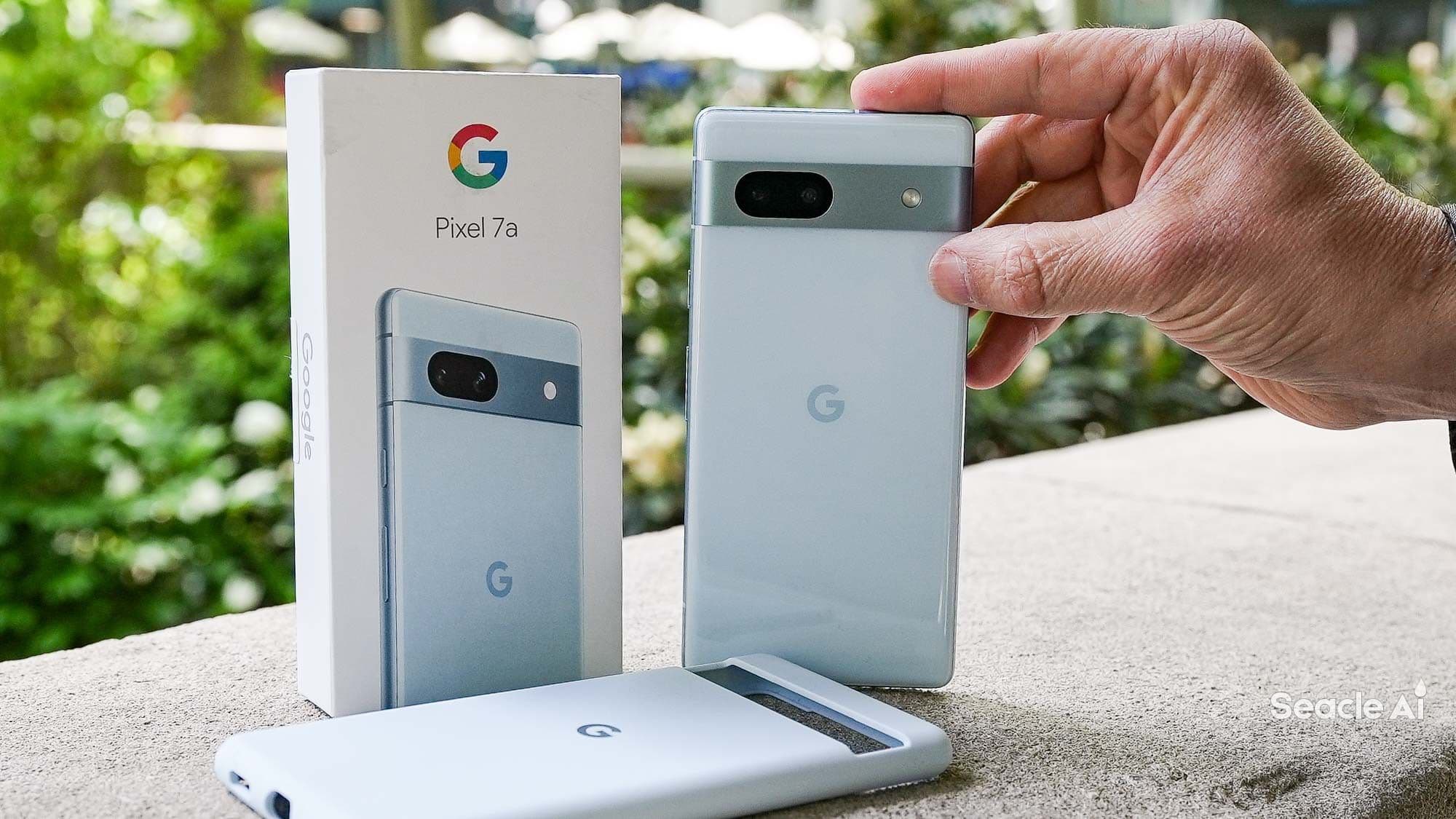
Gaming performance expectations
Here I give realistic expectations for popular mobile titles. Performance estimates assume settings tuned for a balance of quality and smoothness. Results vary by OS updates and thermal conditions.
BGMI
Expected average FPS: 40-60 FPS on balanced to high settings. If you push to the highest visual preset, expect drops into the 30s during long firefights.
Thermal behavior: moderate heating after sessions of 20-30 minutes. Throttling will reduce sustained frame rates; a cooler environment helps but will not eliminate it.
High refresh rate support: yes, you will see the benefit of the higher refresh rate in UI and aiming responsiveness, but sustained 90 FPS is unlikely in demanding maps with highest graphics.
PUBG Mobile
Expected average FPS: 40-60 FPS on balanced or HD settings. On ultra settings the device will target 40 FPS with occasional dips.
Thermal behavior: similar to BGMI, with progressive throttling in long matches. Shorter matches deliver better peak performance.
Valorant Mobile
Expected average FPS: 45-60 FPS on competitive settings focused on responsiveness. The game is optimized for consistent frame delivery, so you will generally see stable performance with occasional dips under heavy particle effects.
Thermal behavior: moderate; the phone throttles to preserve temperature once sustained high CPU/GPU load is detected.
Call of Duty Mobile
Expected average FPS: 40-60 FPS depending on map and setting. On high settings you get smooth play for short to medium sessions; extended play reduces peak FPS due to thermal limits.
Notes on controls and responsiveness: touch latency is good and the higher refresh rate helps with aiming feel, which benefits competitive play in short sessions.
Frequently Asked Questions
Is the Pixel 7a good for photography?
Yes. The phone gives very good still photos for its category, particularly in daylight and mixed lighting, thanks to software processing. It is less competitive for optical zoom or ultra-long-range telephoto needs.
How long will software updates continue?
Google has committed to multiple years of Android version updates and security patches for this series. Expect better update support than typical mid-range phones, which is a key selling point.
Can the battery last two days?
Under light use, it is possible to stretch to two days. With moderate to heavy usage, you should plan on nightly charging.
Is it worth buying in 2026?
If you value clean Android, camera quality for stills, and timely updates, and you can find a good price on the device in 2026, it remains a sensible choice. If you need the fastest charging or the best sustained gaming performance, look for current models tuned for those needs.
Conclusion
The Google Pixel 7a is a sensible choice for buyers who put a premium on software experience, dependable daily performance and strong still-photography for the category. Its strengths are clear: a clean Android interface, prompt updates and computational camera processing that produces consistently pleasing photos without a lot of manual tweaking. Its compromises are also clear: it is not a full flagship for long-duration gaming without thermal impact, it lacks extended optical zoom hardware, and battery life is good but not the class leader.
Use this phone if you want a compact-to-mid-size device that feels smooth in daily tasks, takes reliable photos with minimal fuss, and remains current through software updates. If your priorities are extended high-frame-rate gaming sessions, extreme battery endurance, or flagship telephoto camera performance, then consider a device targeted to those areas instead. In short, the Google Pixel 7a is a balanced mid-range pick that rewards buyers who value software and photo quality over raw hardware extremes.