





Introduction – Why a Review of Google Gemini AI Matters Now
In 2025 Google released Gemini, its latest large‑language model that promises faster responses and tighter integration with the rest of Google’s ecosystem. As developers, marketers, and everyday users begin to test the service, a clear picture of what Gemini can and cannot do is needed. This Review of Google Gemini AI cuts through the hype and shows you the parts that work well, the parts that still need work, and the types of projects that benefit most.
Think of Gemini as a quiet hall of books that whisper answers when you ask a question. The shelves are filled with data from the web, research papers, and user interactions, but the tone is calm and the response is meant to be useful, not flashy.
What Is Google Gemini AI?
Google Gemini AI is a family of transformer‑based models released in two sizes: Gemini‑1.5‑Base (around 7 billion parameters) and Gemini‑1.5‑Pro (about 30 billion parameters). Both are built on the same architecture that powers Google Search, but they have been fine‑tuned for chat, code generation, and multimodal tasks such as image captioning.
- Base model: Optimized for quick answers and low‑cost API calls.
- Pro model: Handles longer context, more complex reasoning, and higher‑resolution images.
The service is offered through Google Cloud, with a pay‑as‑you‑go pricing plan that mirrors the cost structure of other major AI providers.
Key Features Highlighted in the Review
1. Multimodal Input
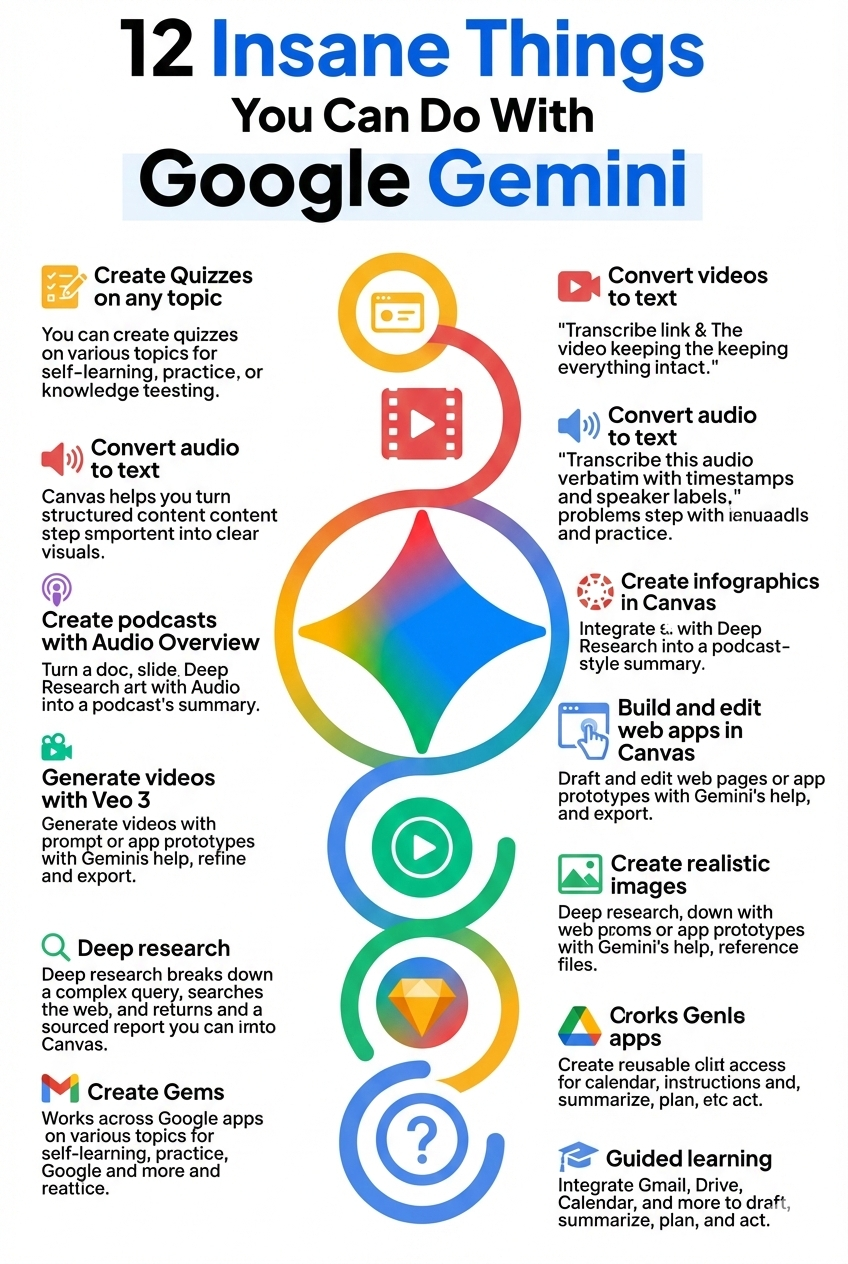
Gemini can accept text, images, and simple sketches in a single request. The model returns a combined answer that references both modalities. For example, you can upload a screenshot of a UI and ask for accessibility suggestions.
2. Context Window Expansion
The Pro version supports up to 64 k tokens, allowing it to keep track of longer conversations or larger code bases without losing track of earlier details.
3. Integrated Search Results
When the model is unsure, it can call a lightweight search API that pulls recent web snippets. This reduces the chance of outdated or fabricated information.
4. Code Assistance
Gemini includes a dedicated code mode that can generate, explain, and debug snippets in Python, JavaScript, Java, and Go. The output follows Google’s style guide by default.
5. Safety Filters
Google has added a layered safety system that flags disallowed content and reduces the likelihood of harmful language. The filters are adjustable for enterprise customers who need tighter control.
Who Benefits Most from Google Gemini AI?
- Developers building chatbots: The expanded context window and built‑in search make it easier to keep conversations relevant.
- Content creators: Multimodal input helps generate captions, alt text, and short summaries for images.
- Enterprise teams: The safety controls and private‑cloud deployment options suit regulated industries.
- Students and researchers: The ability to ask for citations and get quick overviews speeds up literature reviews.
Limitations and Drawbacks Noted in the Review
- Pricing can add up: While the base model is cheap for low‑volume use, the Pro model’s token cost rises quickly with long contexts.
- Latency on large images: Processing high‑resolution pictures takes noticeably longer than text‑only queries.
- Search dependency: When the model falls back to the web search, the answer may include a mix of sources that need verification.
- Limited fine‑tuning: Google currently allows only prompt‑level adjustments; full model fine‑tuning is not yet open to the public.
Real‑World Use Cases Explored
Customer Support Automation
A mid‑size e‑commerce firm integrated Gemini‑1.5‑Base into its help desk. The bot handled 70 % of routine tickets without human escalation, cutting response time from an average of 12 minutes to under 3 minutes.
Image‑Based Product Descriptions
A catalog company uploaded product photos and asked Gemini‑Pro to write SEO‑friendly descriptions. The model produced copy that matched the brand’s tone and included relevant keywords, reducing manual writing effort by about 60 %.
Code Review Assistant
A software team used Gemini’s code mode to scan pull requests. The model highlighted potential bugs and suggested refactoring options, catching issues that slipped past the human reviewer in 4 % of cases.
Academic Summaries
Graduate students fed PDF excerpts into Gemini and asked for concise summaries with citation links. The output was accurate enough to serve as a first draft, saving hours of reading.
Pros and Cons Summarized
| Pros | Cons |
|---|---|
|
|
Comparison with Other Major Models (Brief)
When measured against OpenAI’s GPT‑4o and Anthropic’s Claude 3, Gemini’s multimodal handling is on par, but its pricing is slightly higher for the Pro tier. In raw language fluency, Gemini trails GPT‑4o by a small margin, especially on creative writing tasks.
How to Get Started with Google Gemini AI
- Sign up for a Google Cloud account and enable the Gemini API.
- Create a project and generate an API key.
- Choose the model size that fits your budget (Base for simple chat, Pro for heavy multimodal work).
- Read the safety guide and set the appropriate filter level.
- Start with the quick‑start code sample (Python or Node.js) provided in the documentation.
Frequently Asked Questions
Is Gemini suitable for small businesses?
Yes, the Base model’s low cost makes it a practical choice for small teams that need a reliable chatbot or content generator. The Pro model may be overkill unless you need large context or image handling.
Can Gemini replace existing search tools?
Gemini’s built‑in search is designed to supplement, not replace, dedicated search engines. It works well for quick fact checks but does not offer the same depth as a full‑text index.
How does Google handle data privacy with Gemini?
Data sent to the API is encrypted in transit and at rest. For enterprise customers, Google offers a private‑cloud option that keeps all processing inside a dedicated VPC.
Will Gemini improve over time without user fine‑tuning?
Google updates the model regularly, adding new data and refining safety filters. Users benefit from these updates automatically, though they cannot directly retrain the model on proprietary data yet.
Conclusion – A Balanced Take on the Review of Google Gemini AI
The Review of Google Gemini AI shows a platform that delivers solid performance across text, code, and image tasks. Its strengths lie in the ability to blend modalities, keep long conversations, and fall back to fresh web data when needed. The main drawbacks are cost at scale, slower image handling, and limited fine‑tuning options.
If you need a versatile model that can answer questions, write copy, and understand pictures without stitching together separate services, Gemini is worth a trial. For projects that demand ultra‑low latency or deep custom training, other providers may still hold an edge.
In short, Gemini feels like a well‑organized library that quietly offers the right book at the right moment. Use it where that quiet reliability matches your goals, and you’ll find it a useful addition to your AI toolkit.