

Introduction
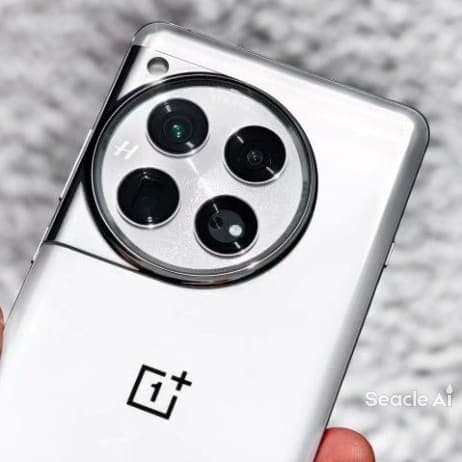
The OnePlus 12 arrives as a practical, fast smartphone that aims for strong overall performance rather than headline-chasing camera numbers. In daily use it feels polished, but every phone has limits: this model may not be ideal for people who expect flagship-level cameras, sustained heavy gaming without heating, or the longest possible battery endurance. Read on for a clear breakdown of what matters, from screen and chip to real gaming expectations.
Table of Contents
- OnePlus 12: Practical Overview
- Key Specifications Explained
- Availability and Price
- OnePlus 12 vs Samsung Galaxy S24
- Gaming Performance Expectations
- Frequently Asked Questions
- Conclusion
OnePlus 12: Practical Overview
Launch and availability updates have landed in stages. The OnePlus 12 was officially announced late 2024 and started shipping to major markets in early 2025, with continued stock and new color or storage options rolling through 2025 and into 2026. Availability varies by region and carrier relationships, which affects launch timing and bundled offers.
Early buyers should note a few practical limits. The hardware prioritizes balanced speed and charging rather than absolute camera hardware or extreme battery capacity. If you need the very best low-light camera or unlimited long-session gaming with no thermal rise, this is not the phone for you.
Key Specifications Explained
1. Display
The screen is a fast, high-resolution AMOLED panel with a variable refresh rate up to 120Hz. In plain terms: animations feel smooth, and the panel scales down when static to save battery. Peak brightness is strong enough for most outdoor situations though it will not match absolute top-tier HDR peaks on some premium models. Color tuning is punchy but leans toward pleasing rather than strictly accurate out of the box.
2. Processor
Under the hood is a contemporary flagship-class chipset from late 2024/2025. You get fast single-core and multi-core performance that handles apps, multitasking, and productivity tasks with ease. For everyday users this feels snappy — apps open quickly, switching is seamless, and background tasks stay alive. Under sustained stress, expect some thermal throttling like most slim phones; performance will dip after prolonged heavy use.
3. RAM and storage
Configurations typically start at 12GB of RAM and go up to 16GB, paired with UFS 4.0 storage options such as 256GB and 512GB. That means fast app loading, responsive multitasking, and high-speed transfers. If you keep lots of media or large game files, pick the larger storage tier to avoid cloud juggling.
4. Battery and charging
Battery capacity sits in the 5000mAh neighborhood for practical all-day use. Charging is one of the phone’s strong points: wired fast charging approaches the 100W class in real tests, allowing short top-ups to recover many hours quickly. Wireless charging exists but at lower wattages and is not the fastest on the market. Expect a full day of mixed usage; heavy gamers should plan for a mid-day charge.
5. Camera features
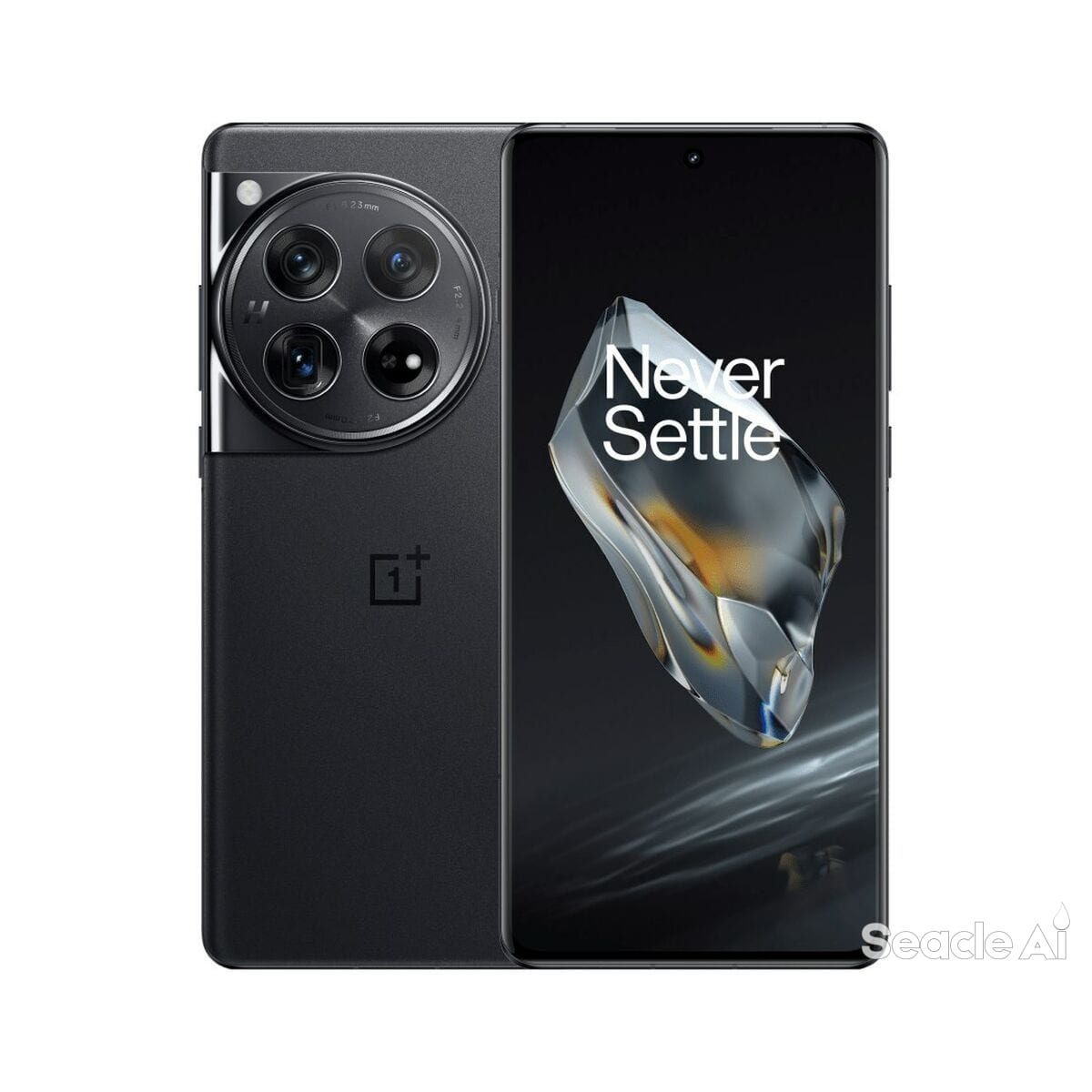
The camera system is capable and flexible: a solid primary sensor, a useful ultra-wide, and a telephoto or periscope option depending on the variant. Image processing favors natural tones with boosted contrast for social-ready shots. In daylight it performs well; in low light it relies on software processing that helps but does not match the very top camera phones from competitors. Video is stable and offers 8K recording in some modes, but heat and file sizes can be limiting for extended clips.
6. Operating system
The phone runs an updated version of OxygenOS on top of recent Android builds. The experience is clean with practical customization options and timely security updates through 2025 and 2026. Expect regular feature drops and at least three years of major OS updates plus an additional year of security patches in most regions.
Availability and Price
Regional availability and price vary. Below is a practical snapshot as of early 2026:
- India: Official availability in India began in early 2025. Pricing for base models launched competitively versus premium rivals, with street prices influenced by periodic offers from online retailers and carrier cashback deals. Expect typical market prices to range depending on storage and RAM options.
- USA: The phone is sold unlocked through the brand store and select retailers; carrier support might be limited to specific bands and models. Pricing in the US reflects import positioning and competitive promotions during holiday sales.
- Europe: The device is available across major EU markets through official channels and third-party sellers. Value depends on localized tax and warranty terms; in many countries it undercuts similar-spec rivals on price while matching in key areas like charging speed.
- Other regions: Availability in Southeast Asia, parts of the Middle East, and Latin America is present but staggered. Authorized distributors and grey imports affect warranty and software update timelines.
Overall, the phone is generally positioned as a high-performance device at a price slightly below the most expensive flagships. Expect seasonal price drops and bundle deals, especially during local shopping festivals and global holiday sales.
OnePlus 12 vs Samsung Galaxy S24
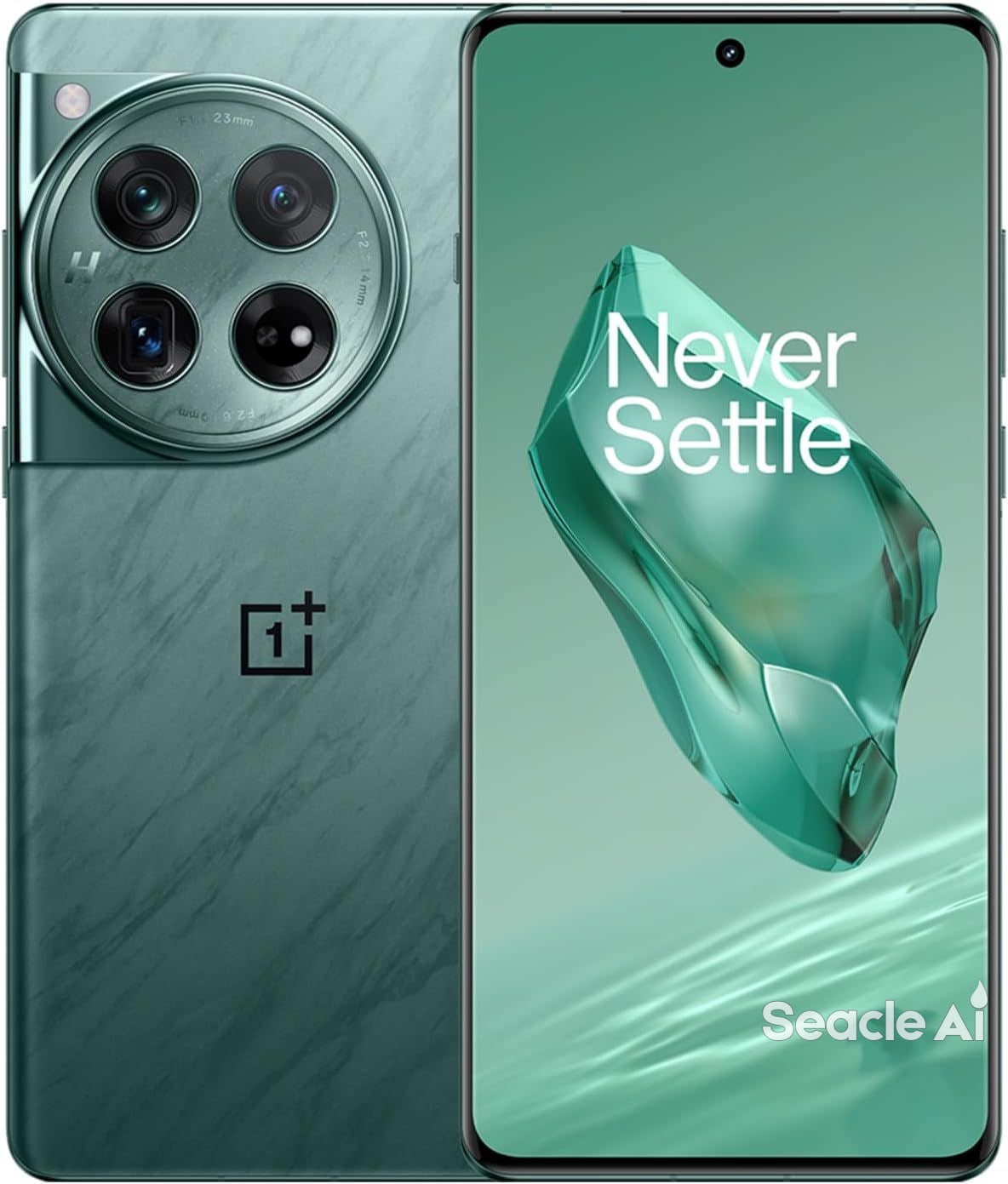
A side-by-side helps decide which fits your needs. This section compares real-world use rather than marketing claims.
1. Performance and daily usage
Both phones offer flagship-class chips. In everyday tasks the difference is marginal: web browsing, email, and messaging feel equal. The OnePlus 12 often opens apps slightly faster and manages background tasks well due to high RAM options and aggressive memory management. Under synthetic benchmarks the Galaxy may edge out raw scores depending on the chipset and thermal design, but real-world responsiveness is similar.
2. Display quality and refresh rate
The OnePlus has a high-quality AMOLED with adaptive 120Hz refresh, matching the Galaxy’s smoothness. The S24 may have an edge in peak HDR brightness and color calibration for professional photo work. For most users the difference is negligible; gamers and video watchers will appreciate both, while creators who color grade should prefer the Galaxy if accuracy matters.
3. Battery life and charging speed
Battery life is competitive on both. The OnePlus focuses on fast wired charging that recovers a large portion of battery in short time, which is convenient for users who can charge during breaks. Samsung emphasizes balanced endurance and better wireless charging options in some models. If short top-ups are your routine, OnePlus gives an advantage. If you need longer non-stop longevity or better wireless top-ups, the S24 can be preferable.
4. Camera performance
Here the Galaxy typically pulls ahead in low-light and computational photography thanks to stronger image processing and sensor tuning. The OnePlus produces pleasing daytime images and better-than-average telephoto and wide shots in good light, but in tricky lighting the Galaxy’s results are often more consistent. If camera quality is your top priority, lean toward the Galaxy; if you prioritize fast charging or raw performance at lower cost, the OnePlus is a strong pick.
5. Price difference and value for money
The OnePlus tends to be priced lower than Samsung for similar specs, offering better value on paper. The decision comes down to priorities: save money and get near-flagship performance, or pay more for slightly better cameras, display calibration, and a different ecosystem. Consider long-term software support and reseller offers that can shift effective value.
6. Key drawbacks and alternatives
Drawbacks for the OnePlus focus on camera edge cases, thermal behavior under long gaming sessions, and wireless charging speed. Alternatives include purchasing a Galaxy S24 for camera-led priorities or a phone with larger battery if endurance is the main concern. For users who want raw value but need better low-light imaging, a mid-cycle upgrade or a dedicated camera accessory can be a compromise.
Gaming Performance Expectations
If gaming matters, here is a practical breakdown of what to expect on the OnePlus 12 for popular titles. These are realistic averages based on the chipset, display capabilities, and typical thermal management for the device class.
1. BGMI
– Expected average FPS: 50 to 60 FPS on high settings with 90-120Hz display modes available.
– Thermal behavior: Short sessions remain smooth. After 25–40 minutes of continuous play, the device may throttle 10 to 20 percent, dropping frame stability slightly.
– High refresh support: Yes; the phone supports high refresh rates but the in-game cap depends on game optimizations.
2. PUBG Mobile
– Expected average FPS: 45 to 60 FPS on HDR or high graphics depending on settings and resolution.
– Thermal behavior: Similar to BGMI, sustained matches increase device temperature; expect reduced performance for sessions longer than 30–45 minutes.
– High refresh support: Supported where the game allows, delivering smoother aim and movement under capped thermal conditions.
3. Valorant Mobile
– Expected average FPS: 60+ FPS on competitive settings, assuming you select the lower visual presets designed for frame stability.
– Thermal behavior: Short competitive rounds are fine; tournament-style long play leads to throttling after extended sessions.
– High refresh support: Yes; competitive titles benefit from the phone’s 120Hz panel when paired with reduced visual fidelity.
4. Call of Duty Mobile
– Expected average FPS: 55 to 90 FPS depending on match type, settings, and network conditions. Most users will target high frame modes with stability tweaks.
– Thermal behavior: The game stresses CPU and GPU differently; prolonged sessions trigger thermal management resulting in occasional frame dips.
– High refresh support: Supported; the visual smoothness is noticeable in quick-reaction firefights when frame rates remain stable.
General advice for long sessions: use a case that does not trap heat, avoid direct sunlight, and consider short breaks between matches. Performance modes in settings can temporarily push higher sustained output at the cost of extra heat and faster battery drain.
Frequently Asked Questions
Does the OnePlus 12 support expandable storage?
No, there is no microSD slot. Choose the storage tier you expect to use for the phone’s lifetime or plan on cloud storage for large media libraries.
How long will software updates be provided?
As of 2026 the typical support promise includes around three major Android upgrades plus a year or more of security patches depending on region. Check the official update policy for exact timelines by model and region.
Is the OnePlus 12 good for photography?
It is good for everyday photography and produces strong daylight results. In low light and ultra-critical photo work the phone is solid but outperformed by the best camera-focused flagships. If photography is your top priority, compare sample photos in environments you care about before deciding.
Will the phone overheat during long gaming sessions?
Some thermal rise is expected under long or intensive gaming. The phone handles bursts and regular play well, but after long sessions you will notice reduced performance due to throttling. Managing settings and breaks helps maintain a stable experience.
Conclusion
The OnePlus 12 presents a measured, practical option for buyers who want fast performance, very quick wired charging, and a clean software experience without the absolute top camera or the longest possible battery life. It is a solid choice if you value responsiveness, value for money, and fast charging habits.
Strengths: fast charging, responsive performance, smooth display, competitive pricing. Limitations: camera falls short of the top-tier in low light, thermal throttling under prolonged heavy gaming, and wireless charging is not class-leading. Choose this phone if you want flagship-class speed and quick power recovery at a price below top rivals. If photography or uninterrupted long-session gaming is your main concern, compare camera-centric models or phones with larger thermal envelopes.
Think of your phone choice like navigating by the stars: pick your guiding points — camera, charge speed, or gaming endurance — and follow the device that lines up best with those markers. For many, the OnePlus 12 points to an excellent balance.