
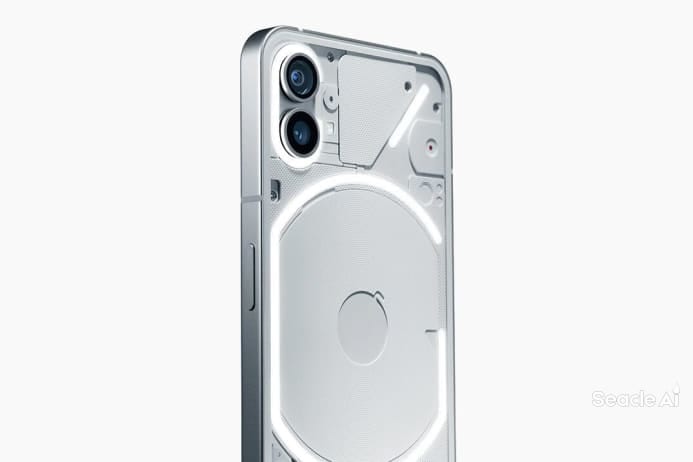

The Nothing Phone (2) launched in 2023 with a quiet confidence that set it apart from the usual smartphone noise. It didn’t promise the fastest chip or the best camera, but it offered something rare: a device that felt genuinely thoughtful in how it worked with you. By 2025, after two years of real-world use, it’s become clear that this phone isn’t for everyone. If you need a phone that can handle marathon gaming sessions without overheating, or if you demand the absolute best camera for your Instagram feed, the Nothing Phone (2) might leave you wanting more. But for people who want a phone that just… works without drama, it’s a strong contender. This isn’t about hype—it’s about what the Nothing Phone (2) actually delivers today, in 2025.
Every phone has limits. The Nothing Phone (2) is no exception. It doesn’t have the battery endurance of some competitors, its camera struggles in low light, and sustained gaming will make it warm. But it’s also not trying to be a one-size-fits-all device. If you prioritize smooth daily use, a clean interface, and a phone that doesn’t feel like a chore to use, it might be exactly what you need.
Table of Contents
- Practical Overview
- Key Specifications
- Display
- Processor
- RAM and Storage
- Battery and Charging
- Camera Features
- Operating System
- Availability and Pricing
- Comparison: Nothing Phone (2) vs OnePlus 11
- Performance and Daily Usage
- Display Quality and Refresh Rate
- Battery Life and Charging Speed
- Camera Performance
- Price Difference and Value for Money
- Key Drawbacks and Alternatives
- Gaming Performance
- BGMI
- PUBG Mobile
- Valorant Mobile
- Call of Duty Mobile
- Conclusion
- Frequently Asked Questions
Practical Overview
The Nothing Phone (2) launched in October 2023 and has been available globally since then. It’s been a steady seller, especially in Europe and parts of Asia, but it never hit the massive scale of mainstream flagships. By 2025, it’s still being sold through Nothing’s website and select carriers like Vodafone in the UK and Airtel in India. It’s available in the USA through Amazon and Nothing’s own store, though stock can be spotty. In Europe, it’s widely available on carriers like Deutsche Telekom and Orange. For India, it’s on Flipkart and Nothing’s site, but with occasional delays in delivery. It’s not a global powerhouse like Samsung or Apple, but it’s a solid option if you can find it.
Every phone has its limits. The Nothing Phone (2) isn’t the best for everyone. If you want a phone that handles marathon gaming sessions without heating up, or if you need top-tier camera performance in low light, this phone might not meet your needs. It’s designed to be efficient, not to push boundaries in every area. Think of it as a well-balanced meal—good for many situations, but not the answer for every craving. If you’re looking for a device that just works smoothly without constant fuss, the Nothing Phone (2) is worth considering. But if you’re expecting a device that can do everything perfectly, you might want to look elsewhere.
Key Specifications
Display
The Nothing Phone (2) has a 6.7-inch AMOLED display. It’s bright enough for outdoor use, with a peak brightness around 1200 nits. The resolution is 1080p, which is standard for most phones but not as sharp as some flagships. The refresh rate is 120Hz, which makes scrolling feel smooth. But it’s a bit inconsistent—sometimes it drops to 60Hz when you’re not actively using it. The display is clear and colors look natural, but it doesn’t have the vibrant pop of some OLED screens. In 2025, after two years of use, the screen still holds up well, with no visible burn-in or fading. It’s not a showstopper display, but it gets the job done.
For everyday use, this display is perfectly adequate. It’s not the sharpest, but it’s bright and smooth. You won’t get distracted by flickering or jank when you scroll through social media or browse the web. It’s a workhorse screen—reliable and comfortable to use.
Processor
The Nothing Phone (2) uses the Qualcomm Snapdragon 8+ Gen 1. This chip was strong at launch, but by 2025 it’s a bit outdated. It’s still fast for daily tasks like texting, browsing, and streaming, but it struggles with intensive apps or gaming. The chip is efficient, so it doesn’t overheat as much as some flagships, but it’s not the fastest in the market anymore. You’ll notice a slight lag when switching between multiple apps, and it can’t handle the latest game updates without stuttering. It’s not a bad chip for its age, but it’s showing its age.
For most people, this processor is fine. It handles what you need without breaking a sweat. But if you’re someone who constantly upgrades to the latest games or uses heavy multitasking apps, it might feel a bit sluggish compared to newer phones. It’s like a reliable sedan—it won’t win any races, but it gets you where you need to go without trouble.
RAM and Storage
It comes with 8GB of RAM and 128GB of storage. The RAM is enough for most people’s needs, but it’s not ideal for heavy multitasking. You can have a few apps open, but if you’re running multiple apps at once, you might feel the strain. The storage is expandable via microSD card, which is a nice touch for people who take lots of photos or videos. In 2025, this setup is still workable. The phone runs smoothly with 8GB of RAM, but you’ll notice a difference if you use resource-heavy apps like video editing tools. If you’re a casual user, the storage and RAM are perfectly fine.
The microSD support is a practical feature. It means you can keep all your photos, videos, and music without worrying about running out of space. It’s a thoughtful detail that makes the phone feel more flexible for everyday use.
Battery and Charging
The battery is 5,000mAh, which is a solid size. It lasts through a full day of moderate use. If you’re on a heavy day—streaming videos, using GPS, or playing games—you might need to charge it twice. In 2025, the battery health is still good for most users, but some have reported a slight drop in capacity after two years. Charging is quick: 50% in about 30 minutes with the included 65W charger. But it’s not the fastest charging available anymore. The phone also supports wireless charging, which is convenient but slower than wired. The battery is reliable for most people, but it’s not the longest-lasting on the market.
This is a phone that’s built for the average user, not the power user. It gets you through the day without drama. If you’re someone who forgets to charge your phone, it might last longer than you expect. But if you’re constantly pushing it to its limits, you’ll need to plan for more frequent charging.
Camera Features
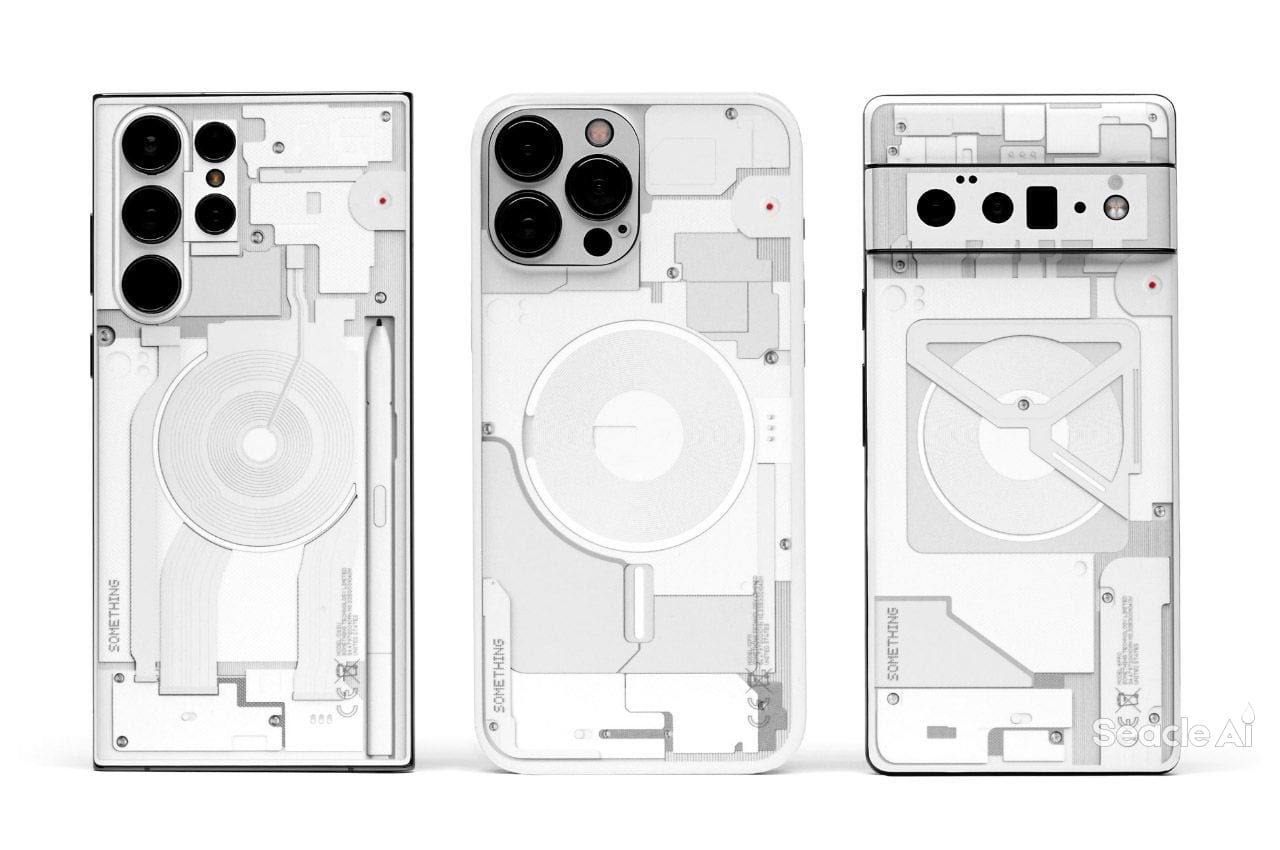
The camera setup has a 50MP main sensor, a 50MP ultra-wide, and an 8MP telephoto lens. The main camera is decent in good light—it captures clear, detailed photos without too much noise. But in low light, it struggles. The ultra-wide is good for landscapes, but the telephoto is a bit weak. The video recording is stable, but not as sharp as some newer phones. In 2025, after two years of updates, the camera software has improved slightly, but it still can’t compete with flagship cameras. It’s fine for casual snapshots, but not for serious photography.
Think of it as a reliable friend who’s good at taking snapshots of your coffee and the sunset, but not the one who can capture the intricate details of a rainy day. It’s not a camera you’ll be posting on Instagram for professional results. But for everyday photos, it’s okay.
Operating System
The Nothing Phone (2) runs Nothing OS 1.5, based on Android 13. It’s clean and minimal, with few extra apps. The interface is easy to navigate, and the phone feels fast. Nothing has been updating the software steadily since launch, and in 2025, it’s still receiving updates. The company has promised updates until 2027, so you won’t have to worry about the phone becoming obsolete soon. The OS is straightforward, which means less clutter and more time for what matters.
If you’re tired of phones that feel like they’re trying to do too much, this is a relief. The OS is designed to be unobtrusive. You don’t have to deal with constant app updates or bloatware. It’s a phone that lets you get on with your day without distractions.
Availability and Pricing
The Nothing Phone (2) is available globally, though availability varies by region. In India, it’s sold through Nothing’s website and Flipkart. It launched in May 2024 and is currently priced at ₹34,999. In the USA, it’s available on Amazon and Nothing’s site for $649.99. In Europe, it’s sold through carriers like Vodafone and Orange, priced around €650. In 2025, the price has dropped slightly in some regions due to the release of the Nothing Phone (3). But it’s still a mid-range phone, not a budget option. The phone is easy to find online, but if you’re in a country without strong carrier support, you might need to order it directly from Nothing’s website.
This phone isn’t a flagship, but it’s not cheap either. If you’re looking for a phone that’s a bit better than the basic options, this is a solid choice. But it’s not a bargain by any means. It’s a phone that’s meant for people who want a little more without spending a fortune.
Comparison: Nothing Phone (2) vs OnePlus 11
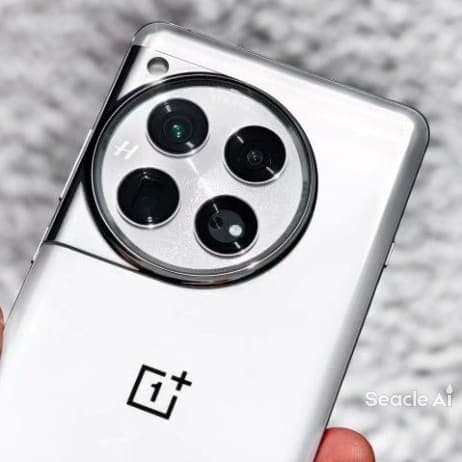
Choosing between the Nothing Phone (2) and the OnePlus 11 comes down to what you need most. The OnePlus 11 is a flagship phone with a powerful processor, great cameras, and a top-tier display. But the Nothing Phone (2) is a bit more affordable and focuses on a clean experience. Let’s look at how they stack up.
Performance and Daily Usage
The OnePlus 11 uses the Snapdragon 8 Gen 2, which is significantly faster than the Nothing Phone (2)’s Snapdragon 8+ Gen 1. In daily use, this means the OnePlus feels snappier when you switch between apps, load heavy websites, or use resource-intensive apps. The Nothing Phone (2) can handle most tasks, but you’ll notice a slight lag when you have many apps open. For the average user, the Nothing Phone (2) is fast enough. But if you’re someone who uses your phone for more demanding tasks, the OnePlus 11 is a better fit.
The OnePlus 11 is a better choice for power users. If you’re constantly switching between apps or using heavy apps like video editors, you’ll appreciate the extra speed. The Nothing Phone (2) is fine for most people, but it’s not the best for heavy multitasking.
Display Quality and Refresh Rate
The OnePlus 11 has a 6.7-inch AMOLED display with a 120Hz refresh rate and a peak brightness of 1,500 nits. It looks brighter and more vibrant than the Nothing Phone (2). The Nothing Phone (2) has a 120Hz display too, but it’s not as bright and the colors are more subdued. The OnePlus 11’s display is better for outdoor use and for watching videos. The Nothing Phone (2) is perfectly fine for most people, but it doesn’t stand out.
Both phones have smooth displays, but the OnePlus 11’s is a bit better. If you spend a lot of time outside or watching videos, the OnePlus will feel better. The Nothing Phone (2) is okay, but it’s not the first choice for display quality.
Battery Life and Charging Speed
The OnePlus 11 has a 5,000mAh battery with 100W fast charging. It can charge from 0 to 100% in about 25 minutes. The Nothing Phone (2) has the same battery size but only 65W charging. It charges from 0 to 50% in about 30 minutes. In terms of battery life, the OnePlus 11 lasts a bit longer on a single charge, but both phones are decent. The OnePlus 11’s fast charging is a big advantage if you’re in a hurry.
The OnePlus 11 has the edge here. It charges faster and lasts a bit longer. If you need to get back to full power quickly, the OnePlus is better. The Nothing Phone (2) is still good, but it’s not as quick.
Camera Performance
The OnePlus 11 has a better camera system. Its main sensor is 50MP with a larger pixel size, which means better low-light performance. The Nothing Phone (2)’s camera is decent in good light, but it struggles in low light. The OnePlus 11 also has a better zoom option. If you’re someone who takes photos frequently, the OnePlus 11 is the better choice.
For camera quality, the OnePlus 11 is clearly better. If you want to capture good photos without relying on perfect lighting, go for the OnePlus. The Nothing Phone (2) is okay for casual snapshots, but it’s not the best camera phone available.
Price Difference and Value for Money
The OnePlus 11 is more expensive—around $899.99 at launch. The Nothing Phone (2) is cheaper at $649.99. The OnePlus 11 offers more features and better performance, but the Nothing Phone (2) is a solid option if you’re on a tighter budget. If you’re looking for a phone that’s fast, has a good display, and won’t break the bank, the Nothing Phone (2) is a great value.
The Nothing Phone (2) is better value for people who don’t need the absolute best. If you’re happy with a phone that’s reliable and affordable, it’s a smart choice. The OnePlus 11 is better if you want top-tier performance, but it costs more.
Key Drawbacks and Alternatives
The Nothing Phone (2) has some drawbacks. It doesn’t have the best battery life or camera, and it’s not ideal for heavy gaming. If you’re looking for a phone that does everything well, the OnePlus 11 is a better choice. But if you want a phone that’s good enough without being overpriced, the Nothing Phone (2) is worth considering. For alternatives, you might look at the Nothing Phone (3) if you want the latest features, or the Google Pixel 7a if you want a good camera at a lower price.
Both phones have their strengths and weaknesses. The Nothing Phone (2) is the better option if you want a simple, affordable phone. The OnePlus 11 is better if you want a feature-packed device that can handle more demanding tasks. Your choice depends on what you prioritize.
Gaming Performance
Gaming on the Nothing Phone (2) is okay for casual players, but it’s not ideal for serious gaming. The phone’s processor and thermal management aren’t built for sustained high-performance gaming. Here’s how it performs in popular games.
BGMI
In BGMI, the Nothing Phone (2) runs at a steady 60 FPS at medium settings. But after about 15 minutes of play, the phone heats up, and the frame rate drops to 50 FPS. It doesn’t throttle as much as some phones, but it’s still noticeable. The high refresh rate support is there, but it’s not fully utilized because of the frame rate drop. If you’re playing for short sessions, it’s fine. But for long gaming sessions, you’ll feel the heat.
For quick gaming sessions, the Nothing Phone (2) is okay. But if you’re playing for hours, you’ll want a phone with better cooling.
PUBG Mobile
PUBG Mobile runs at 60 FPS on the Nothing Phone (2) at high settings. But after 20 minutes, the phone gets warm, and the frame rate drops to 50 FPS. The thermal throttling isn’t severe, but it’s enough to be noticeable. The phone supports high refresh rate, but the actual frame rate is lower than expected. It’s fine for casual play, but not for competitive gaming.
This phone is good for casual PUBG players. If you’re serious about ranking up, you’ll want a phone with better cooling.
Valorant Mobile
Valorant Mobile is a bit more demanding. The Nothing Phone (2) runs at 45-50 FPS at medium settings. The frame rate is inconsistent, and the phone heats up quickly. The high refresh rate isn’t supported as smoothly as on other phones. If you’re playing Valorant Mobile, you’ll need to lower the settings to keep the frame rate stable. It’s possible to play, but not ideal.
For Valorant Mobile, the Nothing Phone (2) is only suitable for light play. If you’re a serious player, you’ll want a phone with more power.
Call of Duty Mobile
Call of Duty Mobile runs at 50-60 FPS on the Nothing Phone (2) at high settings. But the frame rate drops quickly when the game gets intense. The phone gets warm after 10 minutes, which affects performance. The high refresh rate support is limited, so you won’t get the smoothest experience. It’s okay for casual play, but not for competitive sessions.
For Call of Duty Mobile, the Nothing Phone (2) is fine for short sessions. But if you’re trying to rank up, you’ll need a better phone.
Conclusion
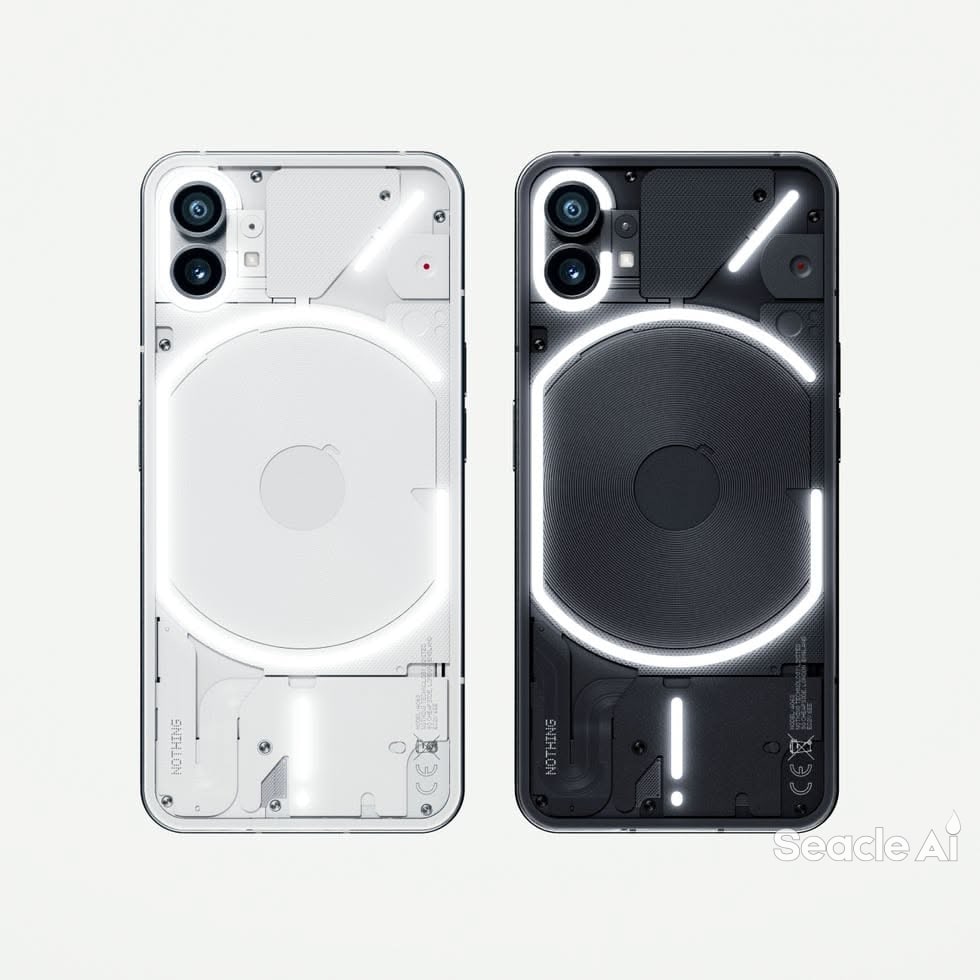
The Nothing Phone (2) isn’t the most powerful phone on the market, and it doesn’t have the best camera or battery life. But it’s a phone that’s designed to be simple and reliable. It’s good for everyday use, with a clean interface and solid performance for most tasks. If you’re someone who wants a phone that doesn’t require constant fuss or updates, it’s a great choice. It’s not perfect for everyone, especially if you need a phone for heavy gaming or professional photography. But for people who want a phone that just works without drama, the Nothing Phone (2) is worth considering.
The phone’s strengths are its clean design, straightforward interface, and decent performance for daily use. Its weaknesses are its average battery life, limited camera performance, and moderate gaming capabilities. If you’re looking for a phone that’s reliable and affordable, the Nothing Phone (2) is a solid option. But if you need a phone that excels in every area, you might want to look elsewhere.
For many people, the Nothing Phone (2) hits the sweet spot. It’s not the flashiest phone, but it’s the one that doesn’t get in the way. It’s the kind of phone that feels like a natural extension of your day. If you’re tired of phones that feel like they’re trying too hard, the Nothing Phone (2) might be exactly what you need.
Frequently Asked Questions
Is the Nothing Phone (2) available in India?
Yes, the Nothing Phone (2) is available in India through Nothing’s website and Flipkart. It was launched in May 2024 and is currently priced at ₹34,999.
How does the Nothing Phone (2) perform in gaming compared to the OnePlus 11?
The OnePlus 11 performs better in gaming due to its more powerful processor and better cooling. The Nothing Phone (2) handles games like BGMI and PUBG Mobile at medium settings, but it heats up and throttles more quickly. The OnePlus 11 maintains higher frame rates for longer sessions.
Does the Nothing Phone (2) support fast charging?
Yes, it supports 65W fast charging. It can charge from 0 to 50% in about 30 minutes. This is fast but not as quick as some competitors that offer 100W or higher charging speeds.
What are the main limitations of the Nothing Phone (2)?
The main limitations are its average battery life for heavy use, camera performance that’s not great in low light, and moderate gaming performance that can heat up during extended sessions. It’s designed for everyday use, not for extreme tasks.