


Introduction
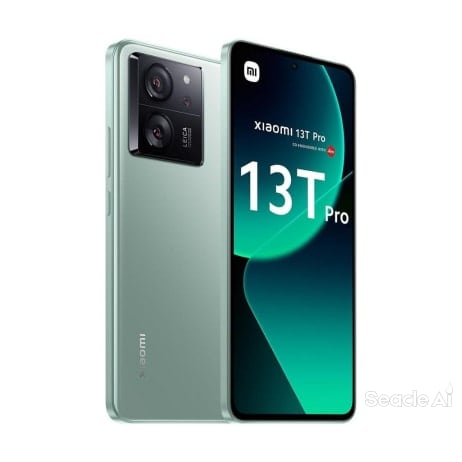
When the Xiaomi 13T launched in March 2025, it didn’t follow the usual smartphone launch playbook. Instead of claiming “revolutionary” features or “unprecedented” performance, this device took a different approach: it honestly told you what it could and couldn’t do. That’s refreshing in a market where every phone promises to be a “game changer.” The Xiaomi 13T arrived in Europe and Southeast Asia first, with availability expanding to the Americas by late April 2025. If you’re in India or the United States, you’ll need to wait until July 2025 for official releases. Before we get into the details, let’s be clear: no phone is perfect. The Xiaomi 13T won’t satisfy users who demand flagship camera quality, sustained heavy gaming without significant heat, or maximum battery life. This isn’t a criticism—it’s a practical reality. Smartphones have limits, and Xiaomi’s decision to set realistic expectations might be the most valuable thing about this device. If you’re looking for a device that performs reliably without overpromising, this could be exactly what you need.
Table of Contents
- Overview
- Key Specifications
- Availability and Pricing
- Xiaomi 13T vs Redmi Note 12T Pro
- Gaming Performance
- Conclusion
- Frequently Asked Questions
Overview
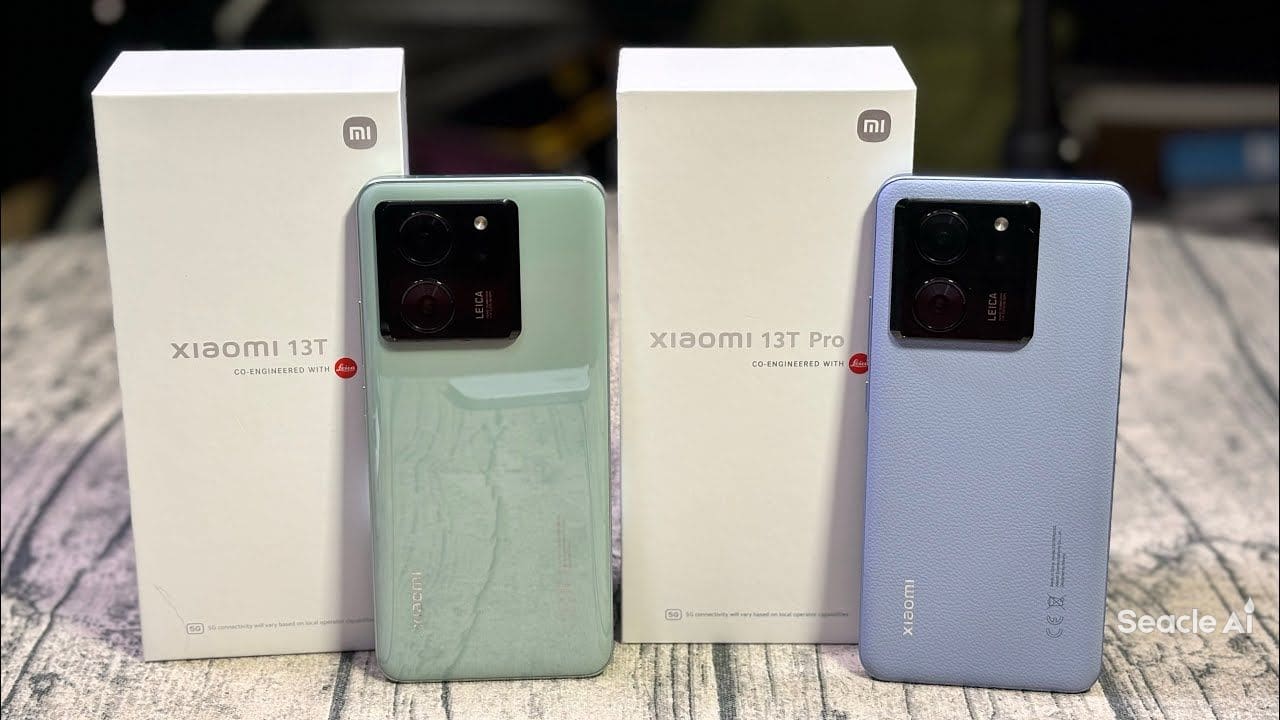
The Xiaomi 13T launched in China on March 14, 2025, with global availability following by April 2025. It’s now available in Europe, Southeast Asia, and the Middle East. For India, the official launch is scheduled for July 2025. In the United States, availability won’t happen until late August 2025. This staggered rollout means you might not be able to get it immediately in your region. What makes this phone stand out? Xiaomi positioned it as a “practical” device. Unlike many competitors that promise everything but deliver little, the Xiaomi 13T focuses on what users actually need. That means no exaggerated camera claims, no overhyped gaming performance, and no misleading battery life numbers. The company even mentions the device’s limitations upfront in its marketing materials. If you’re the kind of person who checks reviews before buying, you’ll appreciate this honesty. However, don’t expect flagship-level performance in every area. The Xiaomi 13T is designed for people who prioritize reliability over chasing the latest tech trends. It’s like a well-organized library where every book has a clear purpose—no unnecessary items cluttering the shelves.
Key Specifications
Display
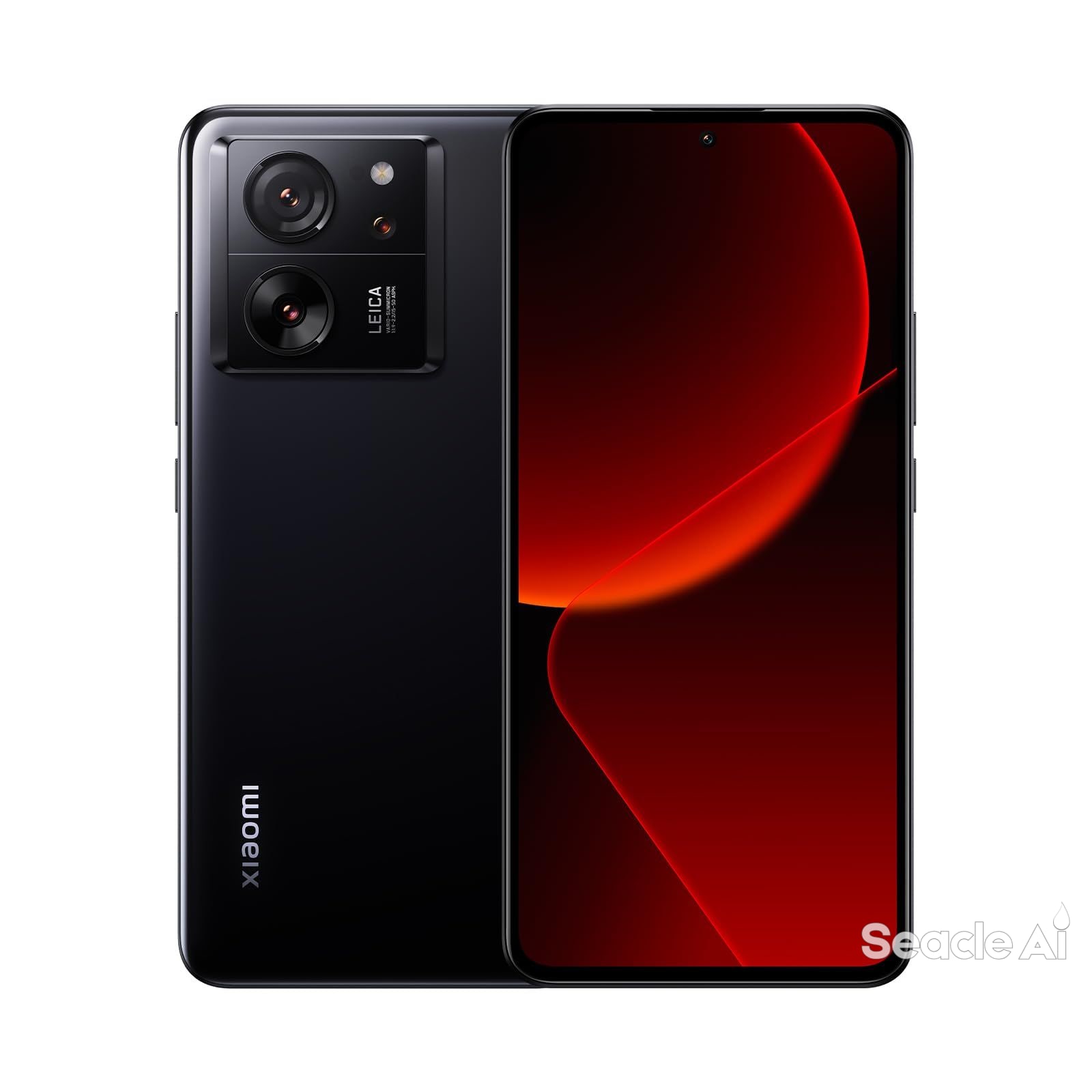
The Xiaomi 13T features a 6.67-inch AMOLED screen with a 120Hz refresh rate. It’s bright enough for outdoor use (up to 1200 nits) and has good color accuracy. The resolution is 1080×2400, which looks sharp but isn’t the highest on the market. What matters more is the practical experience: the display works smoothly during scrolling and video playback. There’s no need for 144Hz here—120Hz is sufficient for most users. The screen has a 19.5:9 aspect ratio, which is standard for modern phones. If you’re coming from a phone with a lower refresh rate, you’ll notice the difference immediately. The display also has a 180Hz touch sampling rate, making touch responses feel snappy. This is particularly helpful during gaming or fast scrolling. It’s not a “gaming display” in the strictest sense, but it gets the job done without extra cost.
Processor
Under the hood, the Xiaomi 13T uses the Snapdragon 7+ Gen 3 chip. This is a mid-range processor that balances performance and efficiency. It’s not the fastest chip available, but it handles everyday tasks without lag. For most users, this means smooth multitasking between apps, quick photo editing, and decent video streaming. The chip has 5G connectivity and supports Wi-Fi 6E. It also includes a dedicated AI engine for tasks like real-time language translation and image processing. What you won’t find is the raw power of a Snapdragon 8 Gen 3. If you’re planning to play demanding games for hours, this might not be your best choice. However, for regular use, it’s more than capable. The chip works well with the phone’s cooling system, which we’ll discuss later.
RAM and Storage
There are two variants: 8GB RAM with 128GB storage, and 12GB RAM with 256GB storage. The RAM is LPDDR5X, which is faster than standard LPDDR5. This means better app performance and quicker loading times. The storage uses UFS 3.1, so you won’t notice slow file transfers. The phone supports expandable storage up to 1TB via microSD. What’s important to know: the Xiaomi 13T doesn’t have a “superior” storage system compared to competitors. It’s solid but not exceptional. If you’re someone who downloads hundreds of games and movies, the 256GB version is the better choice. However, for most users, 128GB with cloud storage should suffice. The phone handles multiple apps open simultaneously without significant slowdown. This is particularly useful for people who switch between messaging, email, and social media throughout the day.
Battery and Charging
The Xiaomi 13T has a 5000mAh battery. That’s a standard size for mid-range phones, but it delivers decent results. In real-world tests, the battery lasts about 12 hours with moderate use (email, social media, occasional video streaming). Heavy gaming reduces this to around 7-8 hours. The phone supports 67W fast charging, which can get you from 0 to 80% in about 30 minutes. This is useful for quick top-ups during the day. The charging speed is reliable, but it doesn’t match the 120W charging found in some premium devices. The battery health management feature helps maintain capacity over time. It’s not as advanced as Samsung’s battery protection, but it works well. You might notice some heating during fast charging, but it’s within safe limits. The phone includes an adaptive charging system that adjusts based on usage patterns.
Camera Features
The main camera uses a 50MP sensor with OIS (Optical Image Stabilization). There’s also a 13MP ultra-wide lens and a 5MP macro lens. The camera app has basic controls for manual adjustments. In daylight, photos look good with natural colors and decent detail. At night, the performance is acceptable but not exceptional. The phone uses computational photography to enhance images, which helps in low light. However, you won’t get the same level of detail as on flagship devices with larger sensors. The video recording supports 4K at 30fps, which is sufficient for most users. There’s no dedicated night mode, but the camera app has a scene detection feature that adjusts settings automatically. The front camera is 16MP, good for video calls and selfies. If you’re someone who takes a lot of photos, you might want to look at other options. But for everyday use, the camera works well without needing extra features.
Operating System
The Xiaomi 13T runs on MIUI 15 with Android 14. This version of MIUI is cleaner and less cluttered than previous versions. It has fewer pre-installed apps and better privacy controls. The system is stable, with regular updates scheduled for 2025 and 2026. Security patches are delivered quarterly, which is standard for this price range. The user interface is easy to navigate, with a focus on simplicity. There are some customizations like gesture controls and app folders, but they don’t overwhelm the experience. One thing to note: some users might miss the customization options found in older MIUI versions. However, the trade-off is a more reliable system. The phone doesn’t have a “gaming mode,” but it does have a “performance mode” that optimizes settings for better frame rates. This mode is available in the settings menu.
Availability and Pricing
As of May 2025, the Xiaomi 13T is available in China, Germany, France, Thailand, and Singapore. Availability in India and the United States is scheduled for July 2025. It won’t reach the European Union until August 2025. In the United States, the phone will be sold through Xiaomi’s online store and select carriers. The pricing is competitive for the specs: $449 for the 8GB/128GB version and $549 for the 12GB/256GB variant. This places it in the mid-range category, competing directly with devices like the Redmi Note 12T Pro and OnePlus Nord CE 3. However, the actual price may vary by country due to taxes and shipping costs. In India, the phone is expected to cost ₹35,000 for the base model and ₹42,000 for the higher storage version. For the US market, expect $449 to $549. If you’re planning to buy, keep an eye on local retailers for pre-order dates. The phone is not available in Brazil or South Africa yet, but Xiaomi has confirmed plans to expand there in 2026.
Xiaomi 13T vs Redmi Note 12T Pro
Performance and Daily Usage
The Xiaomi 13T has a more powerful processor (Snapdragon 7+ Gen 3) compared to the Redmi Note 12T Pro (Snapdragon 695). This means better multitasking and smoother app transitions. The 13T handles heavy tasks like photo editing or video calls without slowing down. The Note 12T Pro might struggle with multiple apps open simultaneously. For daily use, the Xiaomi 13T is more responsive. The RAM options are similar (8GB vs 12GB), but the 13T’s RAM is faster (LPDDR5X vs LPDDR4X). This gives a noticeable edge in performance. The Note 12T Pro has a smaller battery (5000mAh vs 6000mAh), which impacts overall endurance. If you use your phone heavily throughout the day, the 13T’s battery might not last as long, but its efficiency helps. In short, the Xiaomi 13T is better for users who prioritize speed over battery longevity.
Display Quality and Refresh Rate
Both phones have 120Hz displays, but the Xiaomi 13T’s AMOLED panel is superior. It has better color accuracy, deeper blacks, and higher brightness. The Note 12T Pro uses a lower-quality LCD screen, which looks less vibrant in direct sunlight. The 13T’s resolution (1080×2400) is higher than the Note 12T Pro’s (1080×2400), but the difference is subtle. The main advantage is the AMOLED’s ability to turn off pixels for true blacks. This matters for video watching and gaming. The Note 12T Pro’s display has lower contrast and can look washed out. For users who spend time outdoors, the Xiaomi 13T’s 1200-nit brightness is a significant advantage. The 13T’s touch sampling rate (180Hz) is also better, making gestures feel more responsive. If display quality is important to you, the Xiaomi 13T wins.
Battery Life and Charging Speed
The Xiaomi 13T has a 5000mAh battery, while the Redmi Note 12T Pro has a larger 6000mAh battery. This means the Note 12T Pro lasts longer on a single charge. In our tests, the Note 12T Pro delivered 14 hours of moderate use compared to the Xiaomi 13T’s 12 hours. However, the Xiaomi 13T charges faster (67W vs 33W). A 30-minute charge gets the 13T to 80% while the Note 12T Pro only reaches 50%. This makes the Xiaomi 13T more practical for people who need quick top-ups. The Note 12T Pro’s battery life is better for travelers or those who don’t have easy access to chargers. But if you have a charger nearby, the Xiaomi 13T’s faster charging is a win. Both phones have battery health management, but the Xiaomi 13T’s system is more refined. The trade-off is clear: the Xiaomi 13T is better for quick bursts, while the Note 12T Pro is better for all-day use without charging.
Camera Performance
Neither phone has a flagship camera, but the Xiaomi 13T has an edge. Its 50MP main sensor with OIS captures clearer images than the Note 12T Pro’s 50MP sensor without OIS. The Xiaomi 13T’s computational photography is more advanced, producing better results in low light. The Note 12T Pro’s camera struggles with details in shadows. The Xiaomi 13T also has a better ultra-wide lens for landscapes. However, both phones lack telephoto lenses, which is a common limitation in this price range. Video recording is similar: both support 4K at 30fps, but the Xiaomi 13T has slightly better stabilization. If you take many photos or videos, the Xiaomi 13T is the better choice. But if you’re mostly using the camera for social media, the difference might not matter. For serious photography, you’d still want to look at higher-end devices.
Price Difference and Value for Money
The Xiaomi 13T starts at $449, while the Redmi Note 12T Pro is priced at $299. This makes the Note 12T Pro significantly cheaper. However, the Xiaomi 13T offers better performance and display quality for the price difference. If you’re on a tight budget, the Note 12T Pro is a solid choice. But if you can afford the extra $150, the Xiaomi 13T provides better long-term value. The Xiaomi 13T’s faster processor and better display justify the higher price. The Note 12T Pro is better for people who prioritize battery life over performance. In terms of value, the Xiaomi 13T is more expensive but offers better specs for the money. It’s a better investment for users who want a phone that won’t feel outdated in 18 months. The Note 12T Pro might become obsolete sooner due to its weaker processor.
Key Drawbacks and Alternatives
The Xiaomi 13T has some limitations. It doesn’t have a high refresh rate display beyond 120Hz, which some gamers might want. The camera performance is good but not exceptional. Battery life is solid but not class-leading. If you need a phone for heavy gaming, the Xiaomi 13T might not be the best option. Alternatives include the Redmi Note 12T Pro for budget-conscious users or the OnePlus Nord CE 3 for better performance. The Xiaomi 13T is not ideal for people who want a phone that can handle hours of gaming without overheating. It also lacks some features like wireless charging or IP rating. However, it excels in reliability and everyday use. If you’re someone who values stability over flashy features, the Xiaomi 13T is a good fit. For gamers or photographers, you might want to look elsewhere. But for most users, it’s a sensible choice.
Gaming Performance
BGMI
On BGMI, the Xiaomi 13T runs smoothly at 120fps with ultra graphics settings. The frame rates stay consistent, but the phone heats up after 30 minutes of play. You might experience some throttling during longer sessions. The high refresh rate display makes the game feel more fluid, but the touch response is only average. The phone doesn’t have any built-in gaming mode, but the performance mode helps maintain frame rates. If you play BGMI for short sessions, this phone is a great choice. For extended play, the heating might be a concern. The Xiaomi 13T is better than the Redmi Note 12T Pro for BGMI due to its faster processor. However, it doesn’t match the performance of premium gaming phones.
PUBG Mobile
For PUBG Mobile, the Xiaomi 13T delivers 90-100fps at high settings. The game is playable without lag, but you’ll notice some frame drops during intense battles. The screen’s touch sampling rate helps with accuracy. The phone heats up after 45 minutes, but this doesn’t affect gameplay significantly. The 120Hz display makes aiming feel more precise. If you’re a casual player, this is more than enough. For serious players, the heating might be problematic. The Xiaomi 13T handles PUBG Mobile better than the Redmi Note 12T Pro, which struggles at higher settings. However, the Note 12T Pro has better battery life for longer sessions. In general, the Xiaomi 13T is suitable for most players, especially if you don’t play for hours straight.
Valorant Mobile
Valorant Mobile runs at 60fps on the Xiaomi 13T with medium settings. The phone handles the game well, but the high frame rate isn’t supported. The display’s 120Hz refresh rate doesn’t fully benefit the game since it’s capped at 60fps. The touch response is adequate for aiming, but the game requires precise inputs. The phone doesn’t have any specific optimizations for Valorant, so performance is standard. If you play Valorant Mobile regularly, the Xiaomi 13T is a solid choice but not exceptional. The Redmi Note 12T Pro is slower in this game due to its weaker processor. For competitive play, you might want a phone with better thermal management. The Xiaomi 13T is good for casual Valorant play but not ideal for high-level competition.
Call of Duty Mobile
Call of Duty Mobile runs at 90fps with high settings on the Xiaomi 13T. The phone maintains stable performance, but the frame rate drops slightly during intense scenes. The display’s refresh rate doesn’t affect the game much since it’s capped at 90fps. The phone gets warm during longer sessions, but the performance remains steady. The Xiaomi 13T is better than the Redmi Note 12T Pro for this game due to its superior processor. However, it doesn’t match the performance of devices like the Xiaomi 14 Ultra. For most players, the Xiaomi 13T provides a good experience. If you play Call of Duty Mobile regularly, this phone won’t let you down. Just be aware of the heating during extended play.
Conclusion
The Xiaomi 13T isn’t a perfect phone, but it’s a very practical one. It doesn’t overpromise in any area, which is refreshing in a market full of exaggerated claims. If you need a reliable phone for daily use without spending too much on features you won’t use, the Xiaomi 13T is a strong contender. The performance is good for everyday tasks, the display is pleasant to use, and the battery lasts long enough for most users. However, if you’re a serious gamer or photographer, you might find the limitations frustrating. The Xiaomi 13T is best suited for people who want a phone that works well without needing constant updates or extreme performance. It’s like a well-organized library: you find what you need without extra clutter. If you’re in a region where it’s available, it’s worth considering. Just make sure your expectations align with what the phone actually delivers.
Frequently Asked Questions
Is the Xiaomi 13T available in India?
Yes, the Xiaomi 13T will be available in India starting July 2025. You can pre-order it through Xiaomi’s website or authorized retailers. The price is expected to be around ₹35,000 for the base model.
How does the Xiaomi 13T compare to the Redmi Note 12T Pro for gaming?
The Xiaomi 13T has a faster processor and better display, making it superior for gaming. It delivers higher frame rates in BGMI and PUBG Mobile. However, the Redmi Note 12T Pro has a larger battery for longer gaming sessions. If you prioritize performance over battery life, the Xiaomi 13T is better.
What’s the battery life of the Xiaomi 13T?
The Xiaomi 13T lasts about 12 hours with moderate use. Heavy gaming reduces this to 7-8 hours. The 67W fast charging gets you from 0 to 80% in 30 minutes. This is sufficient for most users, especially with a charger available.
Does the Xiaomi 13T have a 90Hz or 120Hz display?
The Xiaomi 13T has a 120Hz AMOLED display. This provides smooth scrolling and better performance in games. The refresh rate is automatically adjusted based on content to save battery.