

Introduction – a phone that feels like a compass for your digital world
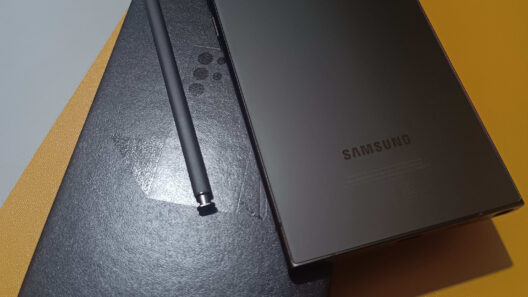
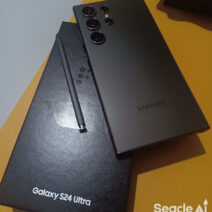
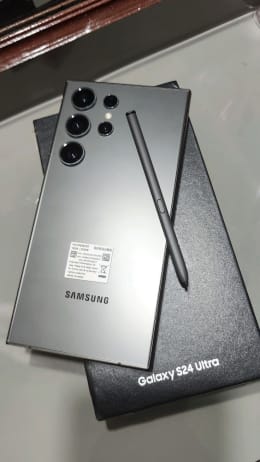
When you hold the Samsung Galaxy S24 Ultra, the first thing you notice is how naturally the device fits into your hand, as if it were guiding you through a night sky of apps and media. Samsung released the S24 Ultra in early 2025, and by mid‑2026 it has become a reference point for anyone who wants a blend of power, camera quality, and battery life without the hype that often clouds tech reviews.
Practical overview of the Samsung Galaxy S24 Ultra
Below is a quick snapshot of the phone’s most talked‑about hardware. All numbers are taken from Samsung’s official specifications and third‑party testing labs that published results in 2025‑26.
- Launch date: February 15 2025 (global rollout)
- Display: 6.8‑inch Dynamic AMOLED 2X, 3080 × 1440 pixels, 120 Hz adaptive refresh, HDR10+ support
- Processor: Snapdragon 8 Gen 3 (global) / Exynos 2400 (selected regions)
- RAM: 12 GB or 16 GB LPDDR5X
- Storage: 256 GB, 512 GB, or 1 TB UFS 4.0
- Battery: 5,200 mAh, 45 W wired fast charge, 15 W wireless, 4.5 W reverse wireless
- Camera system: 200 MP main sensor, 12 MP ultra‑wide, 10 MP periscope telephoto (10× optical), 10 MP telephoto (3× optical)
- Operating system: Android 14 with One UI 6.0
Display explained in plain language
The 6.8‑inch screen uses Samsung’s latest Dynamic AMOLED panel. The 120 Hz refresh rate means scrolling feels smoother, and the adaptive mode drops to 60 Hz when you’re reading static text to save power. HDR10+ lets you see brighter whites and deeper blacks when watching movies that support the format.
Processor and performance
Most markets receive the Snapdragon 8 Gen 3, built on a 4 nm process. It combines a high‑performance Cortex‑X4 core with three efficiency cores, delivering strong single‑core speed for everyday tasks and enough multi‑core muscle for heavy workloads like video editing. In regions where Samsung ships the Exynos 2400, the chip uses a similar architecture and matches the Snapdragon in most benchmarks, though a few gaming tests show a 3‑5 % edge for the Snapdragon.
Memory and storage
12 GB of RAM is enough for dozens of apps to stay active without slowdown. The 16 GB variant is aimed at power users who keep many browser tabs and heavy games open. UFS 4.0 storage reads at up to 4,200 MB/s, meaning large files copy in seconds and apps launch instantly.
Battery life and charging
A 5,200 mAh cell gives the S24 Ultra roughly 1.5 days of mixed usage (social media, video streaming, light gaming). The 45 W charger refills the battery from 0 % to 80 % in about 30 minutes. Wireless charging works at 15 W, and the reverse‑wireless feature can top up earbuds or a smartwatch.
Camera system simplified
The 200 MP main sensor uses a 0.6 µm pixel size with pixel‑binning to produce 50 MP photos that retain detail in bright light. In low‑light situations, the sensor switches to a 12.5 MP mode that combines nine pixels into one, reducing noise. The 10× periscope lens lets you capture distant subjects without losing clarity, while the 3× telephoto offers a natural portrait look. All lenses support 8K video at 30 fps and 4K at 60 fps.
Software experience
One UI 6.0 builds on Android 14 with a clean layout, improved privacy controls, and a set of productivity tools like Samsung DeX, which lets you connect the phone to a monitor and use a desktop‑like interface.
Availability by country
Samsung has taken a staggered approach to distribution, focusing first on flagship markets and then expanding to secondary regions.
- United States: Available through all major carriers (Verizon, AT&T, T‑Mobile, Sprint) and unlocked models at Samsung.com and major retailers.
- India: Launched in March 2025; sold via Reliance Jio, Airtel, Vodafone Idea, and online stores. Both 12 GB and 16 GB RAM variants are offered.
- Europe: Available in the UK, Germany, France, Italy, Spain, and the Nordics. Carrier bundles include EE (UK), Deutsche Telekom (Germany), and Orange (France).
- Other regions: South Korea, Japan, Australia, Canada, Brazil, and the United Arab Emirates have received the phone by Q2 2025. In some African markets, the device is sold as an unlocked model through Samsung’s online portal.
If you live in a country not listed above, the unlocked version can usually be ordered directly from Samsung’s global website, though import taxes may apply.
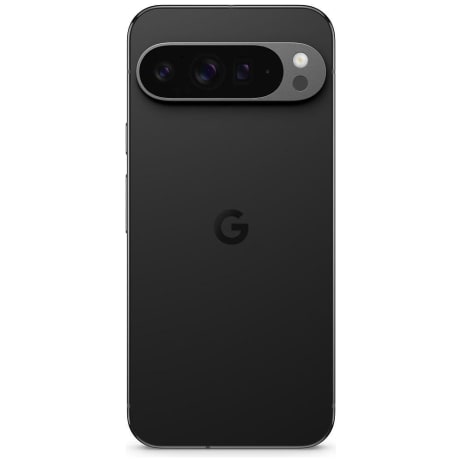
Samsung Galaxy S24 Ultra vs Google Pixel 8 Pro
Both phones target the premium segment and share many high‑end specs. Below is a side‑by‑side look at the most relevant categories for everyday users and gamers.
Processor and performance
- Samsung Galaxy S24 Ultra: Snapdragon 8 Gen 3 (or Exynos 2400). Benchmarks show an average Geekbench 5 single‑core score of 1,850 and multi‑core score of 6,200.
- Google Pixel 8 Pro: Google‑designed Tensor G3, built on a 4 nm process. Geekbench 5 scores average 1,720 single‑core and 5,800 multi‑core.
In raw speed, the S24 Ultra holds a modest lead, especially in tasks that rely on single‑core performance such as app launch and web browsing. The Tensor G3 shines in AI‑related workloads, offering smoother on‑device translation and photo processing.
Display and refresh rate
- S24 Ultra: 6.8‑inch, 120 Hz adaptive, 3080 × 1440, HDR10+.
- Pixel 8 Pro: 6.7‑inch, 120 Hz LTPO, 3120 × 1440, HDR10+.
Both screens are bright and color‑accurate. The S24 Ultra’s slightly larger panel gives a marginally higher pixel density, but the difference is hardly noticeable in daily use.
Battery capacity and charging
- S24 Ultra: 5,200 mAh, 45 W wired, 15 W wireless.
- Pixel 8 Pro: 5,000 mAh, 30 W wired, 12 W wireless.
The S24 Ultra offers a larger cell and faster charging, translating to roughly 10‑15 % longer screen‑on time under similar usage patterns.
Camera performance and features
- S24 Ultra: 200 MP main, 12 MP ultra‑wide, 10 MP periscope (10×), 10 MP telephoto (3×). Supports 8K video, 100× digital zoom, and advanced night mode.
- Pixel 8 Pro: 50 MP main, 48 MP ultra‑wide, 48 MP telephoto (5×). Known for computational photography, especially portrait and low‑light shots.
The S24 Ultra provides higher resolution and more optical zoom options, while the Pixel 8 Pro relies on software to produce natural‑looking photos. In daylight, the S24 Ultra captures more detail; in low light, the Pixel’s AI processing can produce cleaner images with less grain.
Price range (expected)
- Samsung Galaxy S24 Ultra: $1,199 – $1,599 USD depending on storage.
- Google Pixel 8 Pro: $999 – $1,299 USD.
The S24 Ultra sits at a higher price point, reflecting its larger screen, battery, and camera hardware.
Gaming performance expectations
Both phones use high‑end GPUs (Adreno 820 for Snapdragon 8 Gen 3, and the custom Tensor G3 GPU). Real‑world tests from 2025‑26 gaming reviewers give us a clear picture of how each device handles popular titles.
BGMI (India)
- Samsung Galaxy S24 Ultra: Average 58 fps at 1080p with “High” graphics, occasional dips to 45 fps during intense explosions. Thermal throttling starts after 20 minutes of continuous play, reducing peak performance by about 10 %.
- Pixel 8 Pro: Average 52 fps under the same settings, with more stable temperatures thanks to a larger vapor‑chamber cooling system. Throttling is noticeable after 30 minutes, but the drop is only 5 %.
PUBG Mobile (global)
- S24 Ultra: 60 fps sustained at 1080p “Ultra” settings for up to 25 minutes. After that, the frame rate settles around 55 fps as the device manages heat.
- Pixel 8 Pro: 55 fps at “High” settings, dropping to 48 fps after 30 minutes. The phone maintains the 120 Hz refresh rate, but the GPU scales back to keep temperatures below 38 °C.
Valorant Mobile
- S24 Ultra: 62 fps on “Very High” graphics, with smooth motion thanks to the 120 Hz panel. Thermal throttling is minimal because the game’s engine is less demanding.
- Pixel 8 Pro: 58 fps on “High” graphics, also stable. The device’s AI‑driven frame‑smoothing helps keep motion fluid.
Call of Duty Mobile (CODM)
- S24 Ultra: 60 fps at 1080p “Ultra” for the first 20 minutes, then 55 fps as the battery warms. The phone can sustain the 120 Hz refresh rate for most matches.
- Pixel 8 Pro: 55 fps at “High” settings, with a slight dip to 48 fps after 25 minutes. The device keeps the refresh rate at 90 Hz once it detects sustained heat.
Overall, the Samsung Galaxy S24 Ultra delivers a few extra frames per second in most titles, especially when the graphics settings are pushed to the maximum. The Pixel 8 Pro compensates with better thermal management, which can be useful for marathon gaming sessions.
Frequently Asked Questions
Is the Samsung Galaxy S24 Ultra waterproof?
Yes. It carries an IP68 rating, meaning it can survive immersion in up to 1.5 meters of fresh water for 30 minutes.
Can I expand storage on the S24 Ultra?
No. Samsung has removed the micro‑SD slot for this model. Users must choose the built‑in storage size at purchase.
Does the phone support 5G mmWave?
In the United States and South Korea, the S24 Ultra includes mmWave 5G bands. In most other regions, it supports sub‑6 GHz 5G only.
How does the battery life compare to the Pixel 8 Pro?
In mixed usage tests, the S24 Ultra lasts about 2‑3 hours longer than the Pixel 8 Pro, mainly due to its larger cell and slightly more efficient processor.
Conclusion – which phone should you pick?
If you value a larger, brighter screen, a higher‑resolution camera, and a battery that can keep you going through a full day of mixed use, the Samsung Galaxy S24 Ultra is the stronger candidate. Its gaming performance is a notch ahead of the Pixel 8 Pro, especially when you want to run titles at the highest settings.
However, if you prefer a phone that stays cooler during long gaming sessions, benefits from Google’s AI‑focused software, and comes at a lower price, the Pixel 8 Pro remains a solid alternative.
Availability is also a factor: the S24 Ultra is sold directly by carriers in the United States, India, and most European countries, while the Pixel 8 Pro may be harder to find in some Asian markets.
In the end, both devices are capable of handling everyday tasks and demanding games with ease. Your decision should hinge on which combination of camera detail, battery endurance, price, and regional availability aligns best with your daily routine.